Iceland 3-4 Day Itinerary: Drive It Yourself or Join Tours

Iceland is one of those places where even a short trip feels full. With 3–4 days, you can see a lot at an easy pace: a day exploring Reykjavík, a loop around the Golden Circle, and a drive along the South Coast for waterfalls and black‑sand beaches. There’s also time to fit in a thermal bath, whether you prefer the Blue Lagoon, Sky Lagoon or something quieter. This guide lays out a simple route you can follow by car or match with organised tours, keeping the days balanced while still giving you a real feel for Iceland’s landscapes.
Not everyone wants to hire a car in Iceland, and that’s completely fine. We’ve driven it twice because we loved the freedom to stop at waterfalls, viewpoints and black‑sand beaches whenever we felt like it — and it often works out cheaper, as many of Iceland’s highlights are free once you arrive. But you don’t need to drive to enjoy a short trip. In this guide, I’ll share the places we recommend for a 3–4 day itinerary and match each day with similar tours, so you can follow the same route even if you’d rather skip the car.
A Quick Note
This article contains affiliate links. I may earn a small commission if you book through them, at no extra cost to you. Just so you know: I share the best travel finds I come across, but I’m not a travel agent, so I can’t offer custom quotes or change dates or airports.
Prices and availability can shift, so please double‑check everything with the travel provider before booking. Any booking you make is directly with them.
How to get to Iceland from the UK
Most UK travellers fly into Keflavík International Airport (KEF), located in the south‑west of Iceland. It’s the country’s main international gateway and sits about 50 km (31 miles) from Reykjavík. KEF handles all flights from the UK, including those from London, Manchester, Glasgow, Edinburgh and other regional airports.
Return flights are often very affordable outside peak summer. It’s common to find £60–£120 return on budget airlines during quieter months, with prices rising in July and August. Reykjavík is not next to the airport; it’s a 45–50 minute journey. You have several easy options:
- Flybus shuttle — the most popular choice, running frequently to Reykjavík’s BSÍ bus terminal with hotel drop‑offs available.
- Airport Direct / other shuttle buses — similar service with different drop‑off points.
- Taxi or private transfer — fastest but most expensive.
- Car hire — ideal if you’re following a self‑drive itinerary.
Find the cheapest direct flights from the UK to Iceland
This map illustrates where everything is that I mention in the following itineraries. Obviously, you won’t have time for everything, but I thought it would be useful to see where everything is.
Day 1 in Iceland
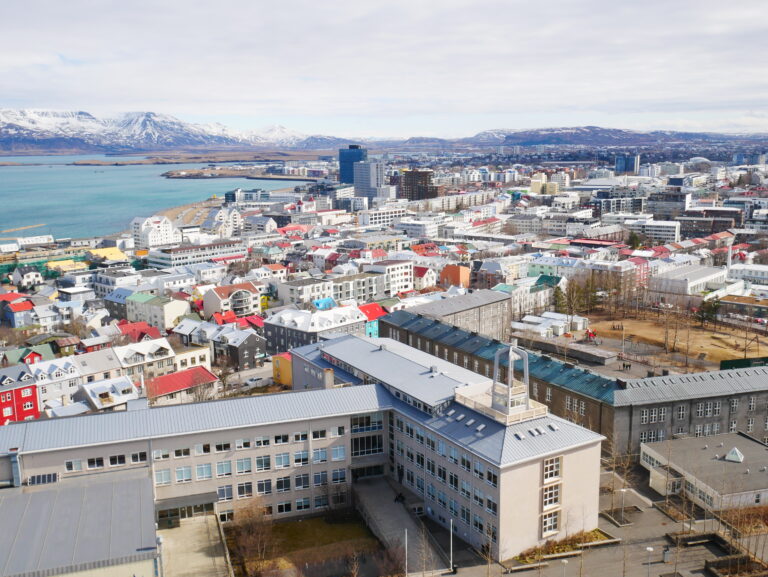
After flying into Iceland the day before, you should now be settled into your hotel. We have always stayed outside of Reykjavik, but it does make a great base, so we will start the itinerary from Iceland’s capital. A first day in Reykjavík works well as a walking day because the city is compact, easy to navigate and full of small stops that naturally link together. Reykjavík’s main sights sit within a short radius, and walking lets you take in the architecture, street art, harbour views and local culture at a relaxed pace. Our 1-2 day itinerary for Reykjavik will come in handy for additional planning so you don’t miss anything you’d really like to do.
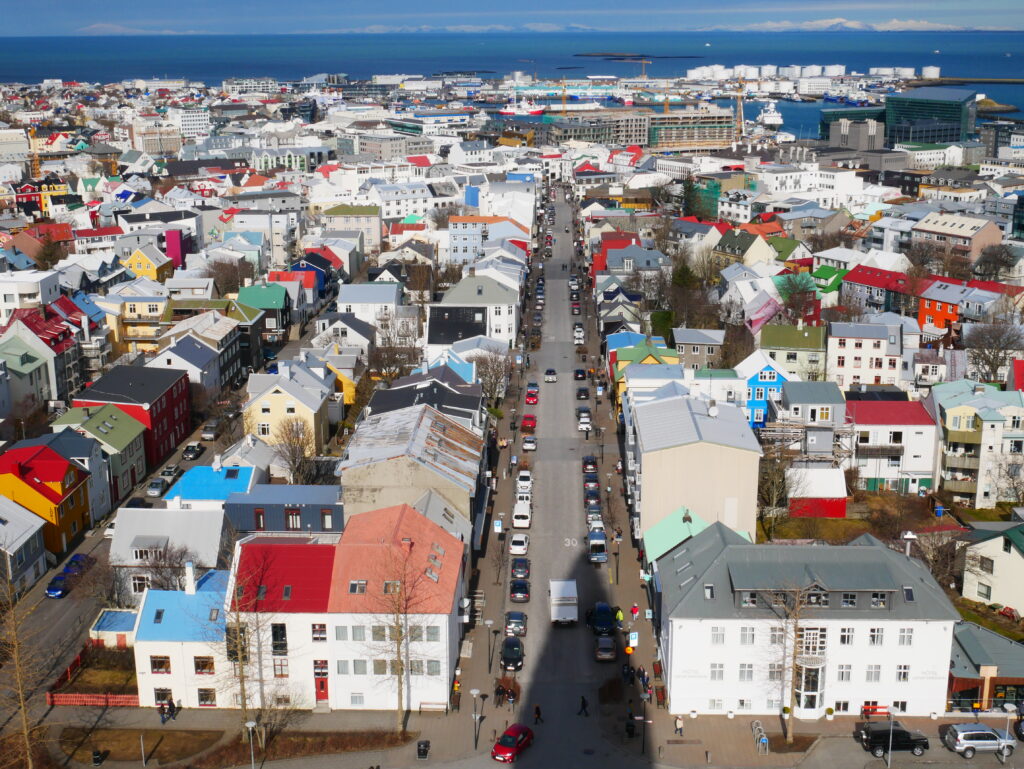
The city is known for its mix of striking landmarks like Hallgrímskirkja and its lively downtown streets, where you can explore cafés, shops and public squares on foot. Walking tours often highlight the city’s Viking heritage, its folklore traditions and its modern cultural scene, with routes that pass places such as the cathedral, the historic Austurvöllur Square and the colourful neighbourhoods around the harbour.
A simple walking route in Reykjavik
This keeps everything close together and gives a good feel for the city.
- Hallgrímskirkja — Start at Reykjavík’s most recognisable landmark. You can go up the tower for views across the city and out to the mountains.
- Skólavörðustígur — Walk down this colourful street lined with small shops, galleries and cafés.
- Laugavegur — Continue onto the main shopping street for an easy wander through Reykjavík’s busiest area.
- Austurvöllur Square — A central square surrounded by the Parliament building and cafés, good for a short break.
- Harpa Concert Hall — Head towards the waterfront to see the glass‑fronted Harpa building, one of the city’s most photographed spots.
- Sun Voyager — Follow the coastal path to this modern sculpture with views across the bay.
- Old Harbour — Finish with a walk around the harbour area, where you’ll find restaurants, whale‑watching departures and views of Mount Esja.
Optional extras if you want to see more
These work well depending on your interests and the weather.
- Street art detours — Reykjavík has a strong street art scene, especially around the Grandi and downtown areas.
- Museums — The Settlement Exhibition, the National Museum of Iceland or the Whales of Iceland museum are all easy to reach on foot.
- Food stops — Try an Icelandic hot dog near the harbour or explore local bakeries and cafés along the way.
Day 2 In Iceland
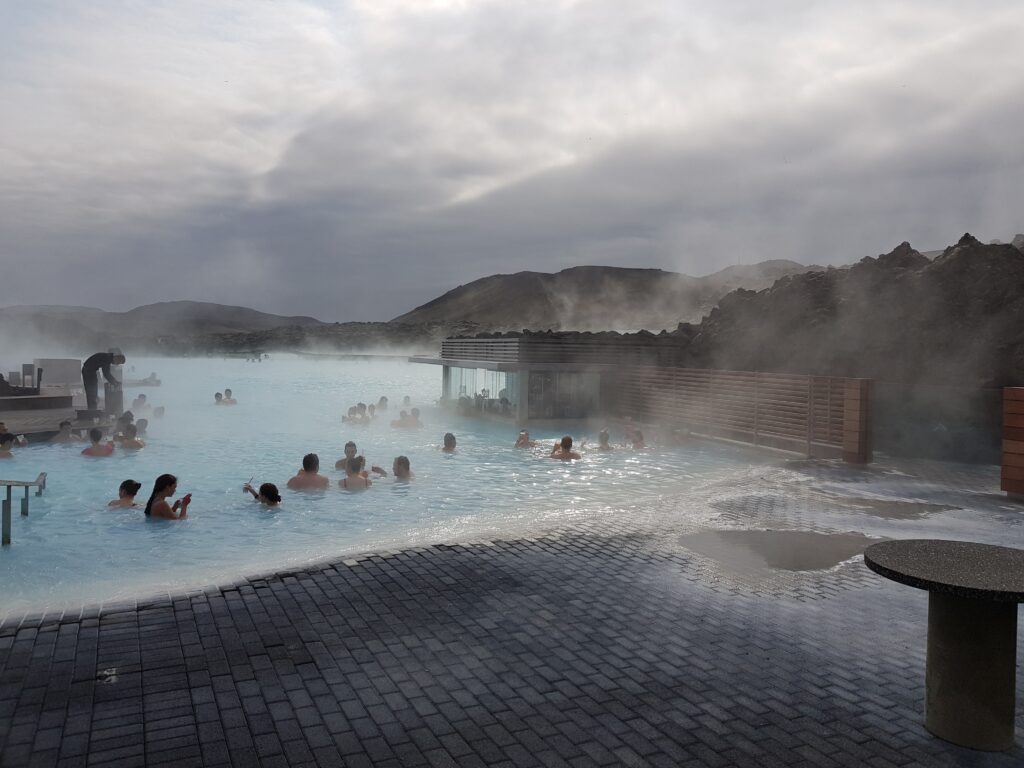
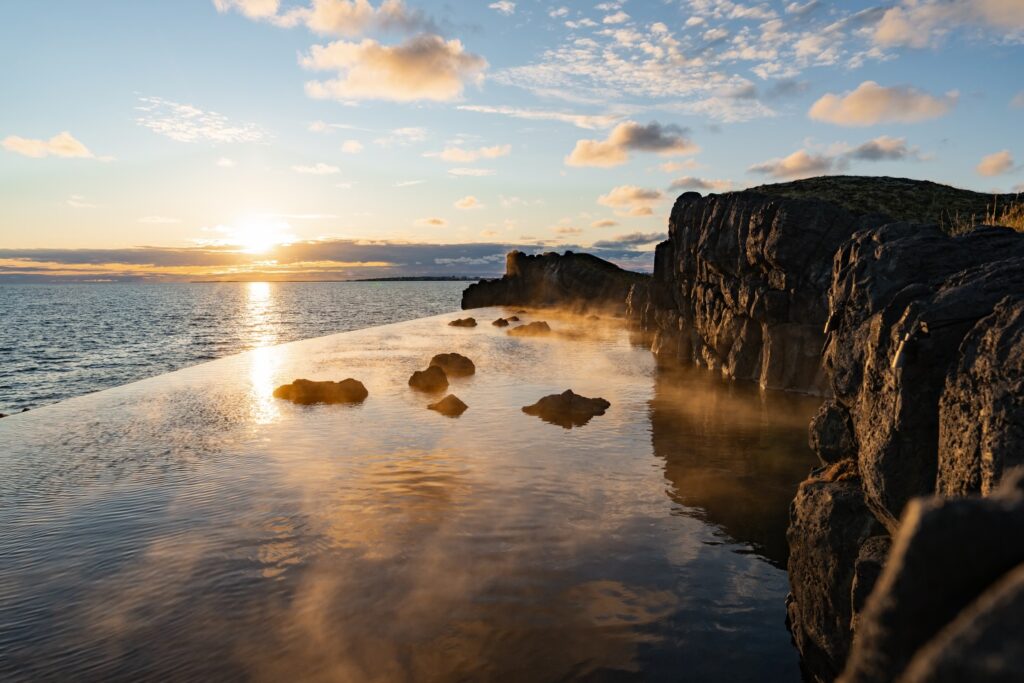
A relaxed second day works perfectly as a thermal‑bath day, and most travellers choose between the Blue Lagoon and Sky Lagoon, the modern geothermal spa just outside Reykjavík. Both offer warm mineral water, steam, views and that classic Icelandic slow‑down moment, but they each have a slightly different feel. The Blue Lagoon is the iconic milky‑blue pool set in a lava field, while Sky Lagoon sits right on the coast with an infinity‑edge view over the North Atlantic. Sky Lagoon is the one you were thinking of — it’s the closest like‑for‑like alternative to the Blue Lagoon near Reykjavík, and it’s become incredibly popular for short trips.
Let’s compare the two:
Blue Lagoon
- Set in a lava field with milky‑blue geothermal water.
- Spa facilities, saunas, steam rooms and a swim‑up bar.
- Best booked in advance, especially for afternoon slots.
- Works well if you want the “classic” Iceland experience.
The Blue Lagoon is the ultimate geothermal spa experience in Iceland. Most travellers still visit without issues due to eruptions from the nearby volcano. The lagoon has built protective barriers around its infrastructure to reduce risk from lava flows, and it now operates with enhanced monitoring and evacuation plans, but it’s wise to:
- Book a refundable or flexible ticket.
- Keep an eye on updates from the Blue Lagoon’s official seismic activity page.
- Have a backup option like Sky Lagoon, which is much closer to Reykjavík and not affected by the same volcanic zone.
Sky Lagoon
- A modern geothermal spa on the coast, just minutes from Reykjavík.
- Known for its infinity‑edge pool overlooking the ocean.
- Features a seven‑step ritual with sauna, cold plunge and steam.
- A great choice if you want something calmer and closer to the city.
Optional extras if you want to add more:
Day 3 In Iceland
A Golden Circle day works well as Day 3 because it’s close to Reykjavík, easy to drive, and packs in some of Iceland’s most famous landscapes in a single loop. The route is roughly 230 km and typically takes 6–8 hours, depending on how long you spend at each stop. The three core highlights are Þingvellir National Park, the Geysir geothermal area, and Gullfoss waterfall, all of which sit within a compact circuit and are well‑signposted for self‑drivers. The loop is popular because it combines geology, history and dramatic scenery in one day, and it’s considered one of the best introductions to Iceland’s natural features.
The essential Golden Circle route
This version keeps the day balanced and avoids rushing, while still covering the major highlights.
Þingvellir National Park
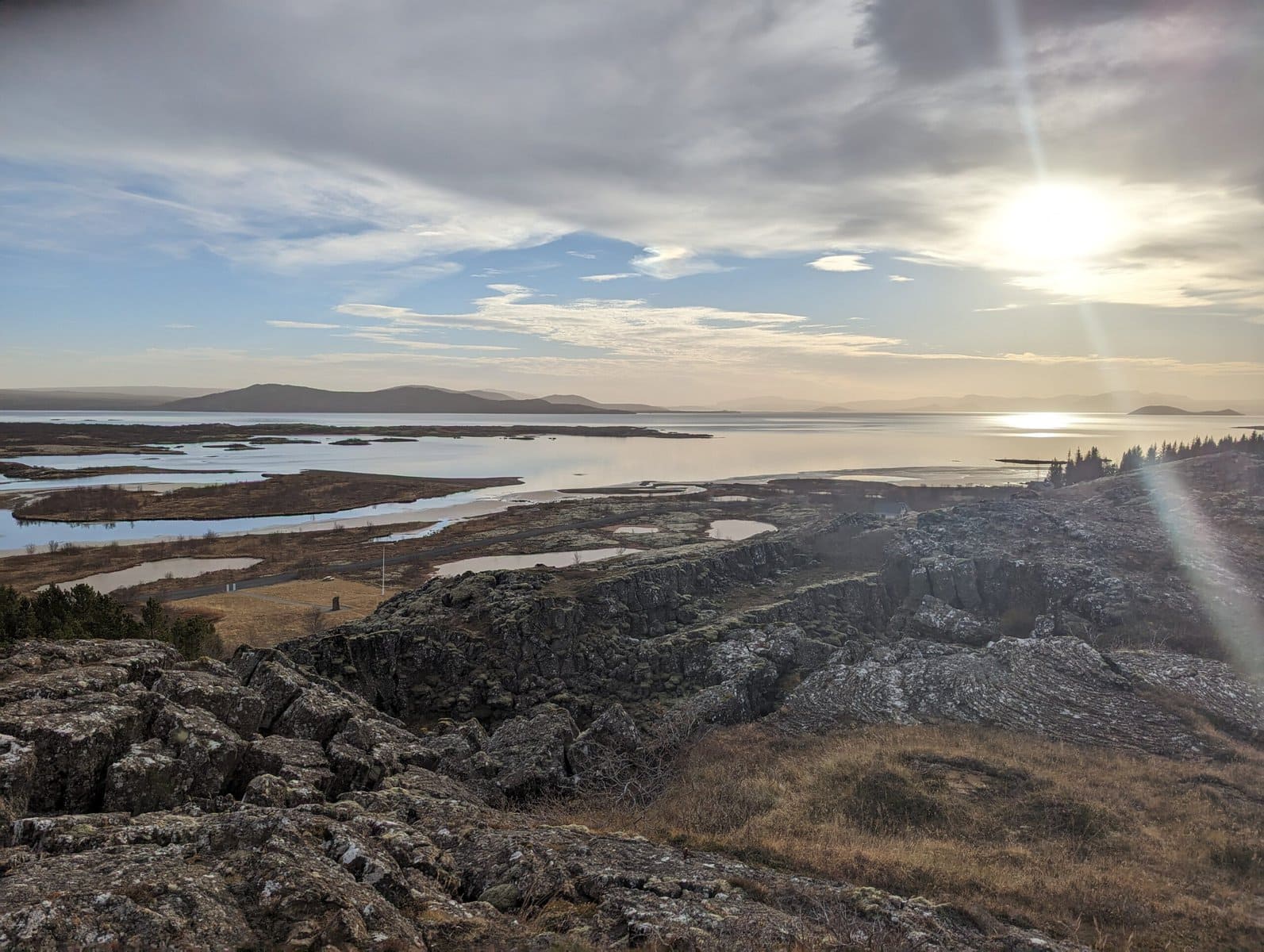
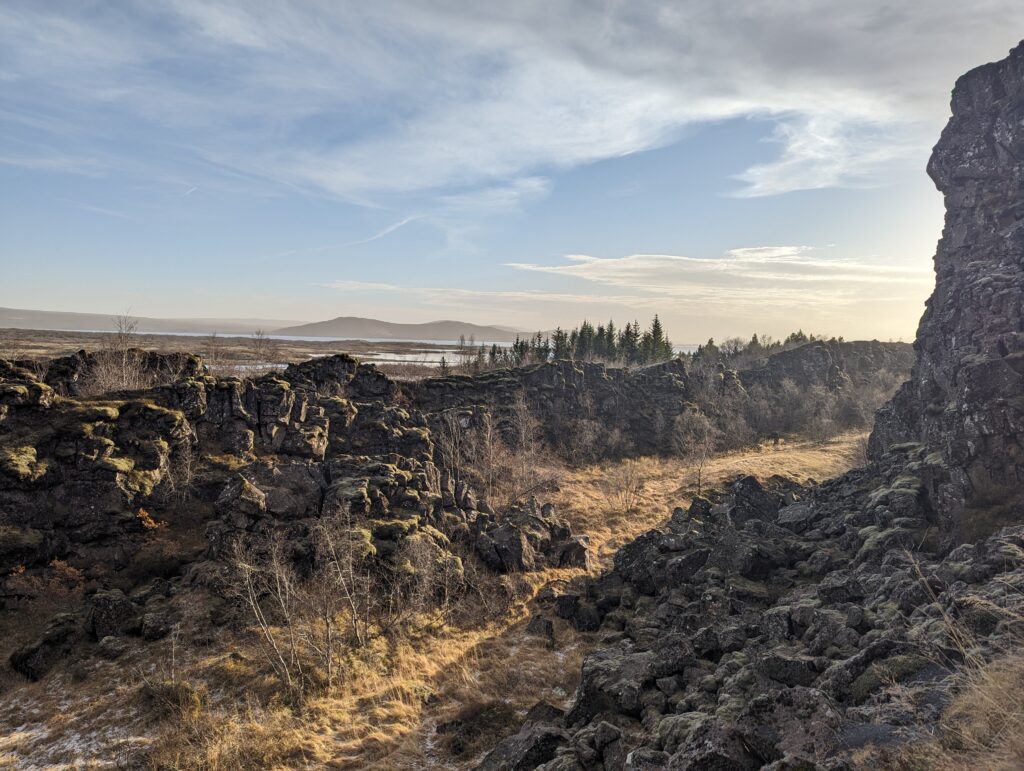
A UNESCO World Heritage Site where you can walk between the North American and Eurasian tectonic plates. The park has easy walking paths, viewpoints over the rift valley and a mix of waterfalls, lakes and historic sites. It’s usually the first stop when leaving Reykjavík.
Geysir Geothermal Area
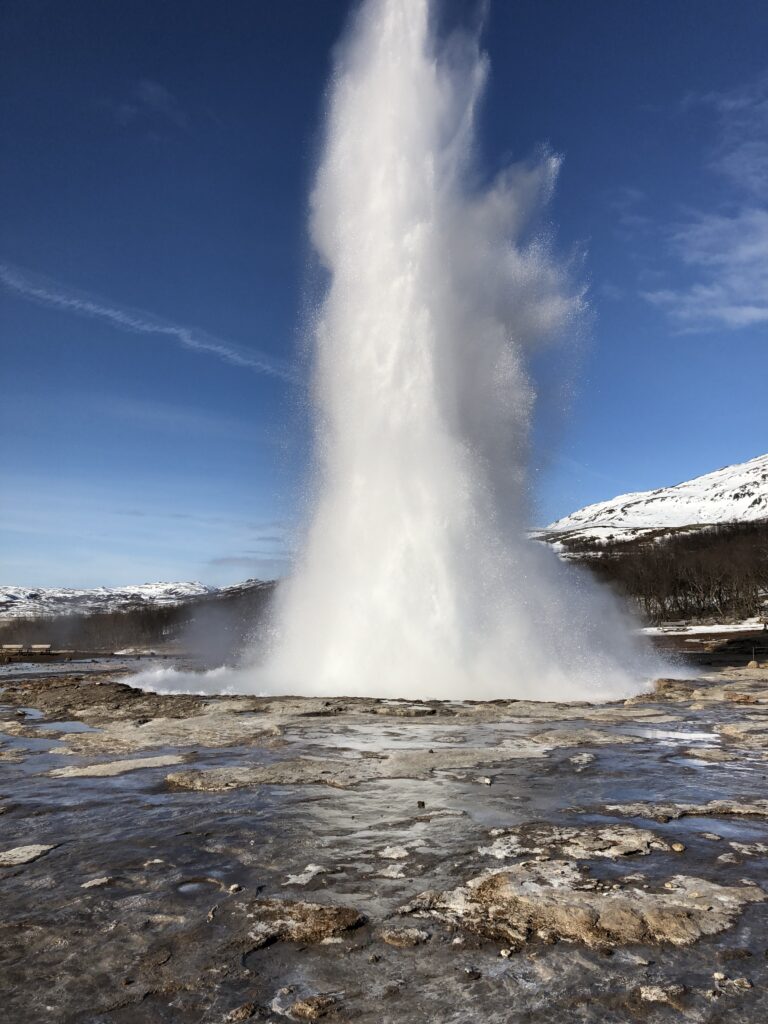
A short drive from Þingvellir, this geothermal field is home to Strokkur, the geyser that erupts every few minutes, often reaching 20 metres high. The area is full of bubbling pools and steaming vents, and it’s one of the most photographed stops on the route.
Gullfoss
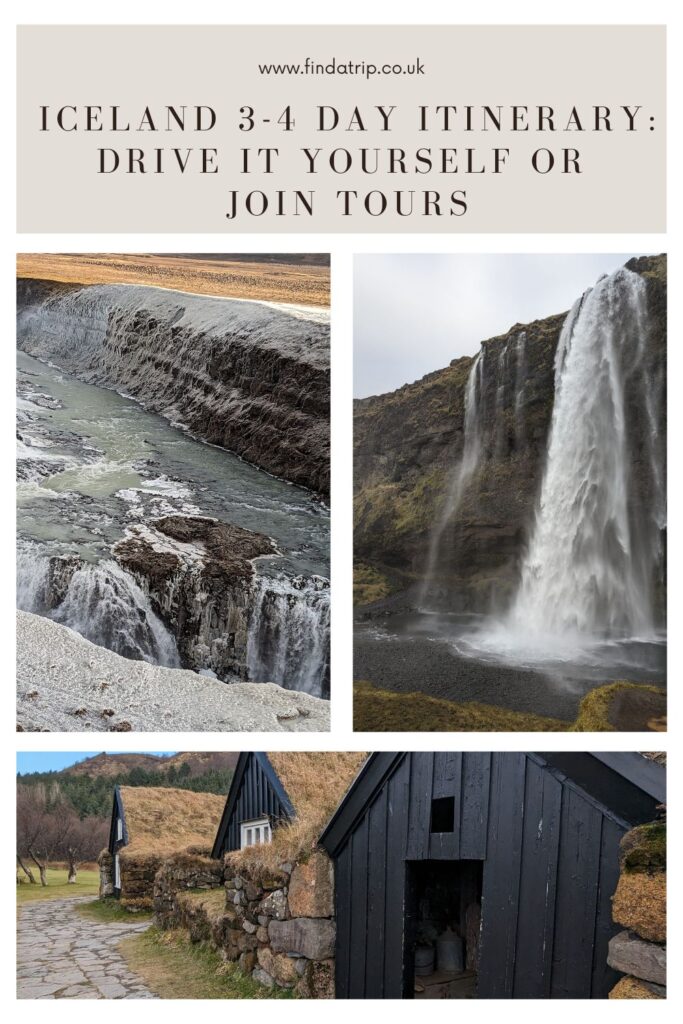
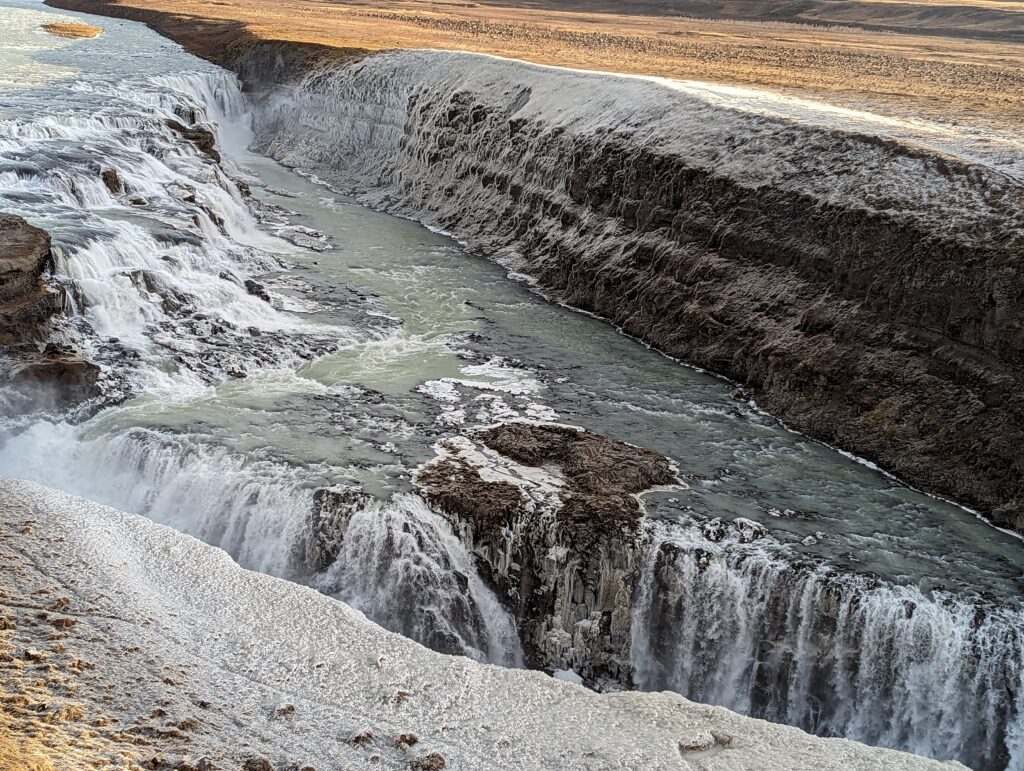
One of Iceland’s most powerful waterfalls and the namesake of the Golden Circle (“Golden Falls”). The two‑tiered drop creates huge mist clouds and rainbows on sunny days, and there are several viewpoints to explore.
How to structure the day
- Morning: Leave Reykjavík and head straight to Þingvellir before the crowds build.
- Late morning: Continue to Geysir for the geothermal area and Strokkur eruptions.
- Early afternoon: Drive to Gullfoss for the waterfall viewpoints.
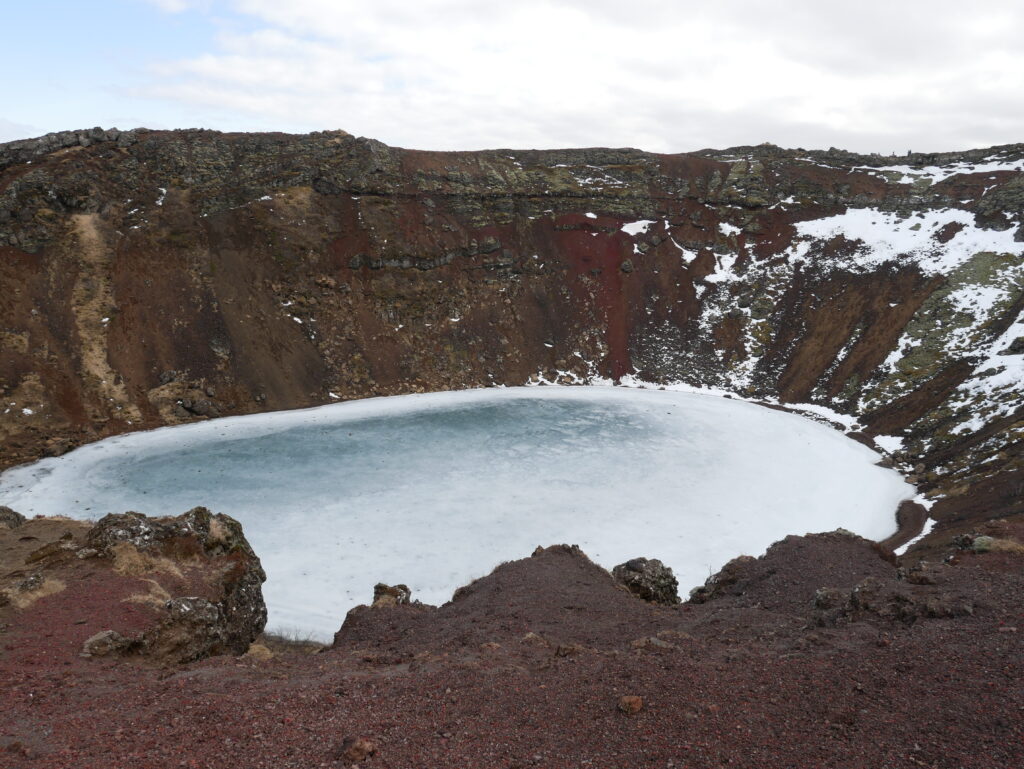
- Late afternoon: Add an optional stop (Fontana, Kerid Volcanic Crater, Secret Lagoon) or return to Reykjavík.
Day 4 In Iceland – If you go for a 4-day Itinerary
Day 4 is all about Iceland’s big landscapes. The South Coast is one of the easiest full‑day routes from Reykjavík, with waterfalls, glacier views, museums and black‑sand beaches all sitting just off the Ring Road. You’ll see places like Seljalandsfoss, Skógafoss, Sólheimajökull and the beaches around Vík, plus unique stops such as the Icelandic Lava Show or the Sólheimasandur plane wreck. It’s a varied, dramatic route and a perfect finale; these places really shouldn’t be missed. We cover the highlights of southern Iceland in more detail in this post.
Seljalandsfoss
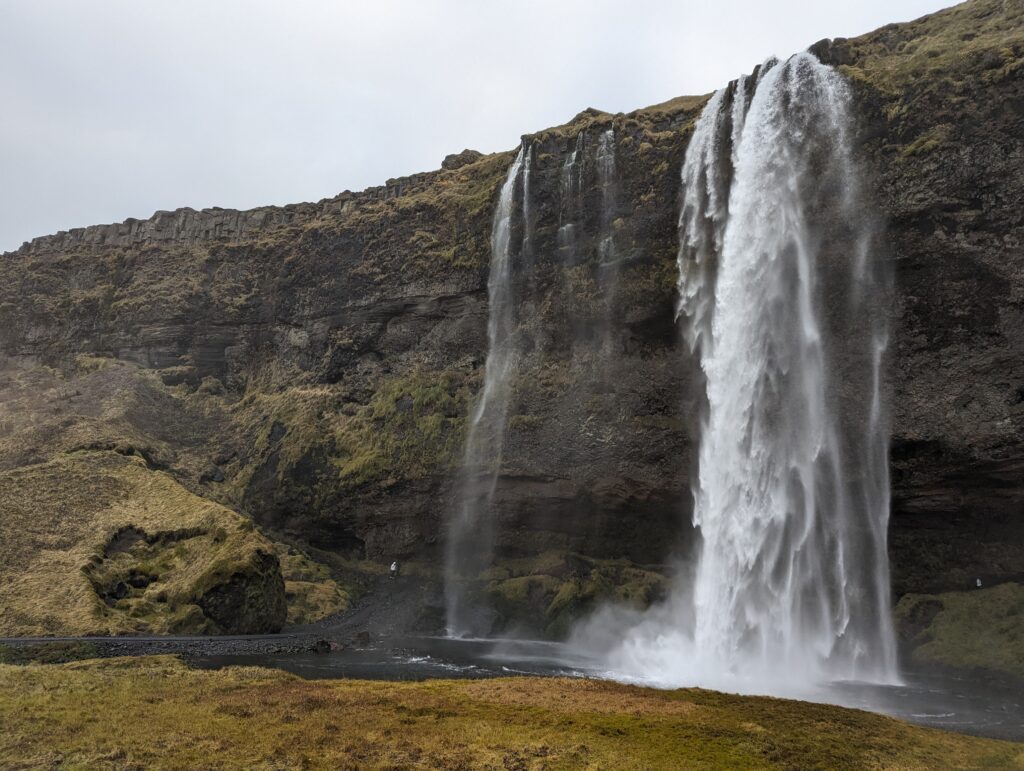
A tall, narrow waterfall you can walk behind, right off the Ring Road. It’s usually the first stop of the day and takes around 30–45 minutes to explore.
Skógafoss
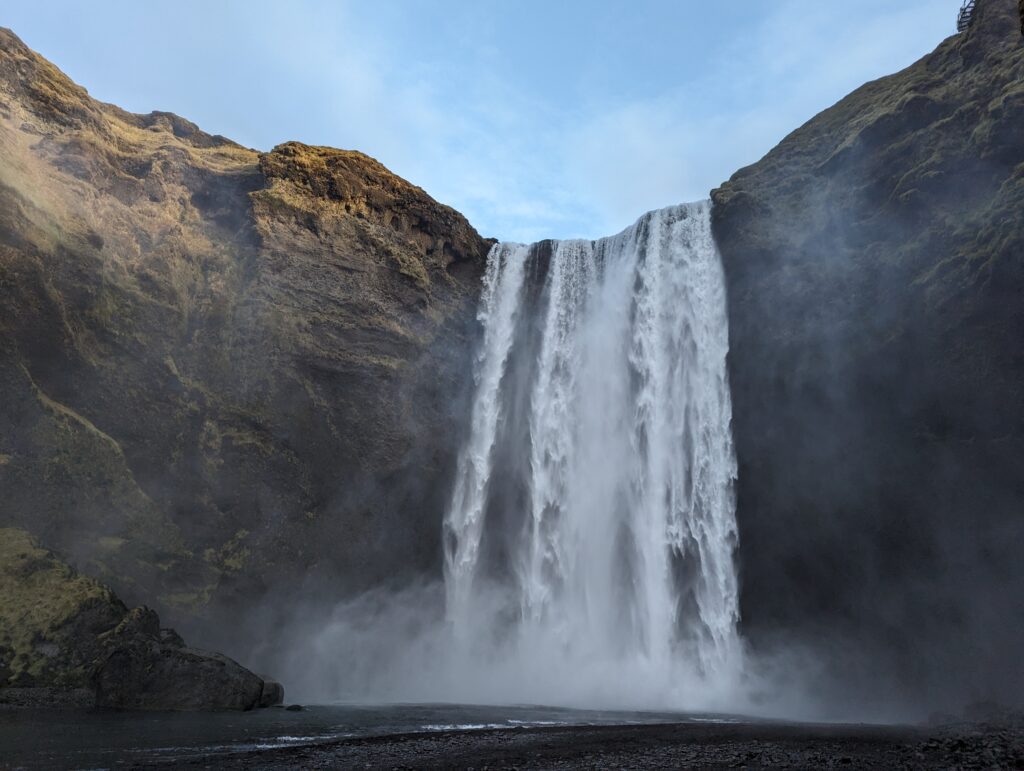
One of Iceland’s most powerful waterfalls, with a huge curtain of water and a staircase leading to a viewpoint above. It’s a short drive from Seljalandsfoss and easy to explore.
Skógar Folk Museum
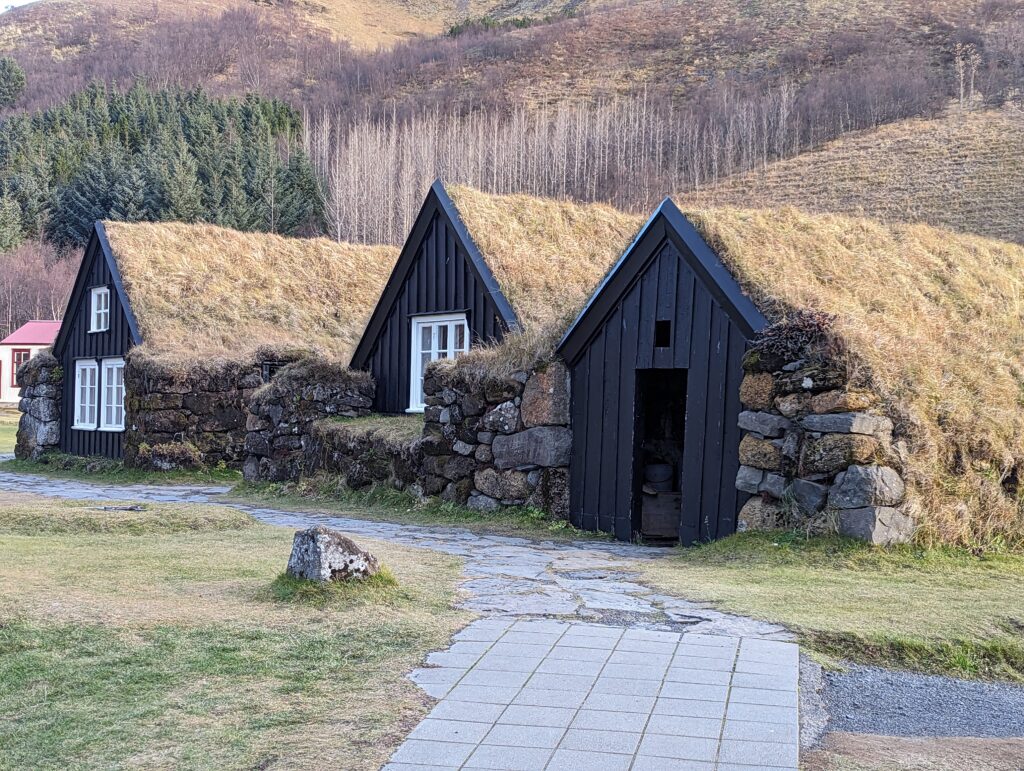
A brilliant cultural stop next to Skógafoss, with turf houses and exhibitions showing how Icelanders lived for centuries. It adds a lovely contrast to the natural sights.
Sólheimajökull Glacier
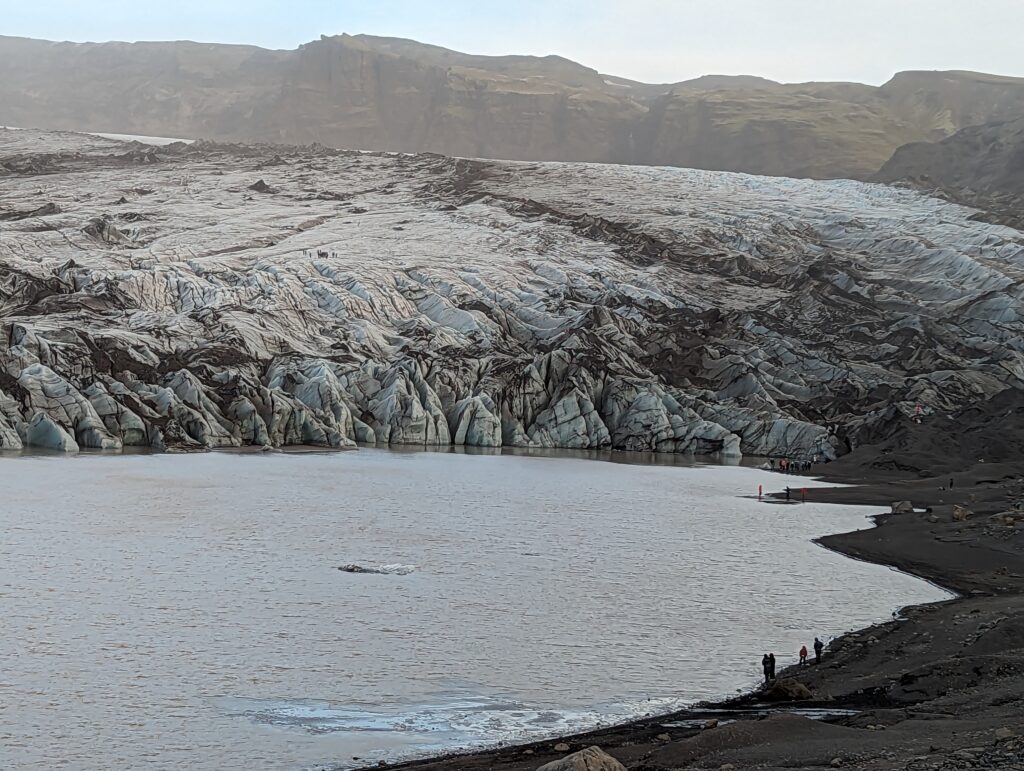
A quick detour from the main road for glacier views. You can walk up to a viewpoint of the glacier on a relatively easy path, or you can book an excursion onto the glacier itself (no younger children, all participants must be physically fit).
Sólheimasandur Plane Wreck
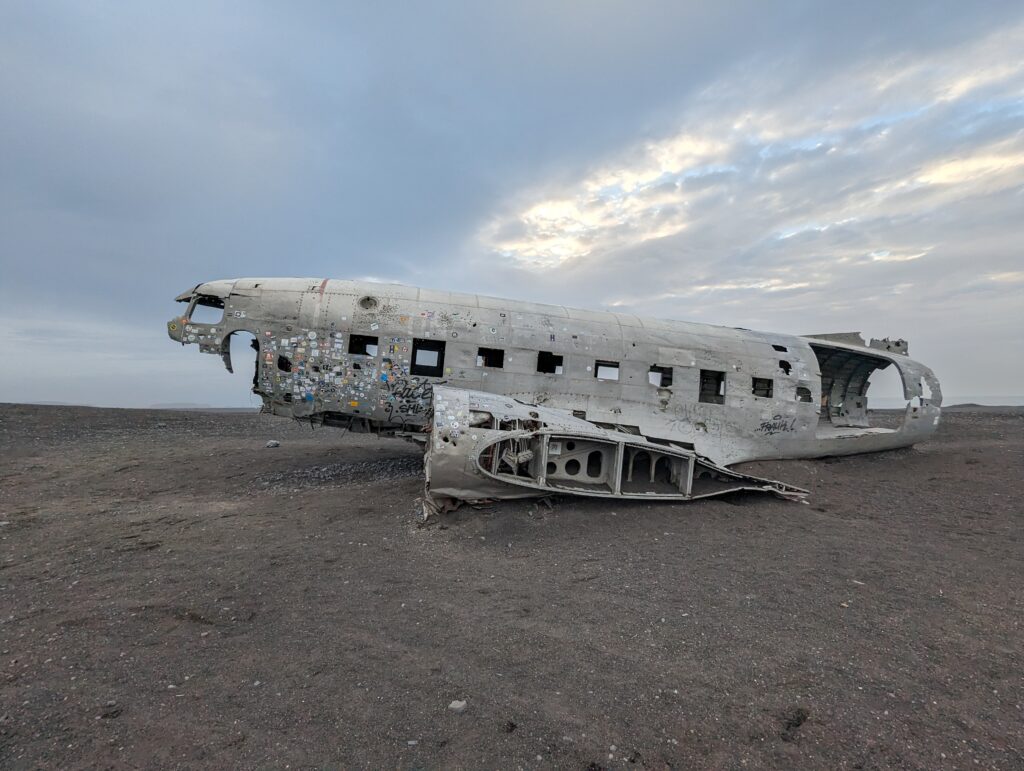
A dramatic black‑sand setting with the remains of a 1973 US Navy aircraft. It sits between Skógafoss and Vík and is one of the South Coast’s most photographed spots. You can walk the long, flat path or take the shuttle from the parking area.
Vík
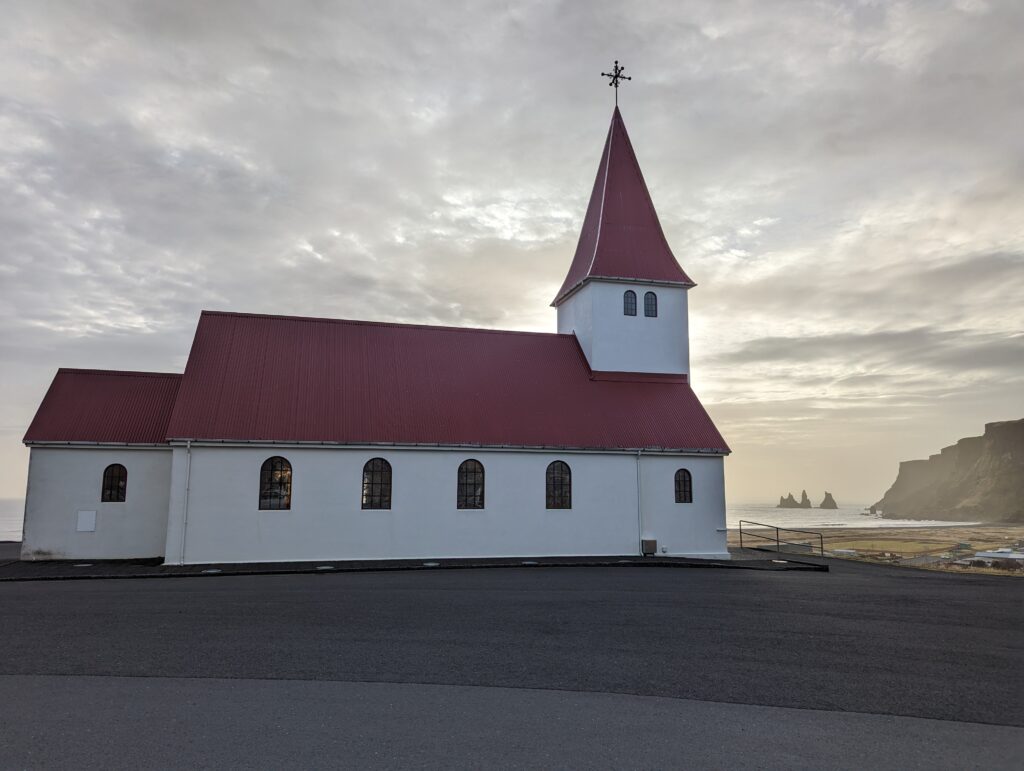
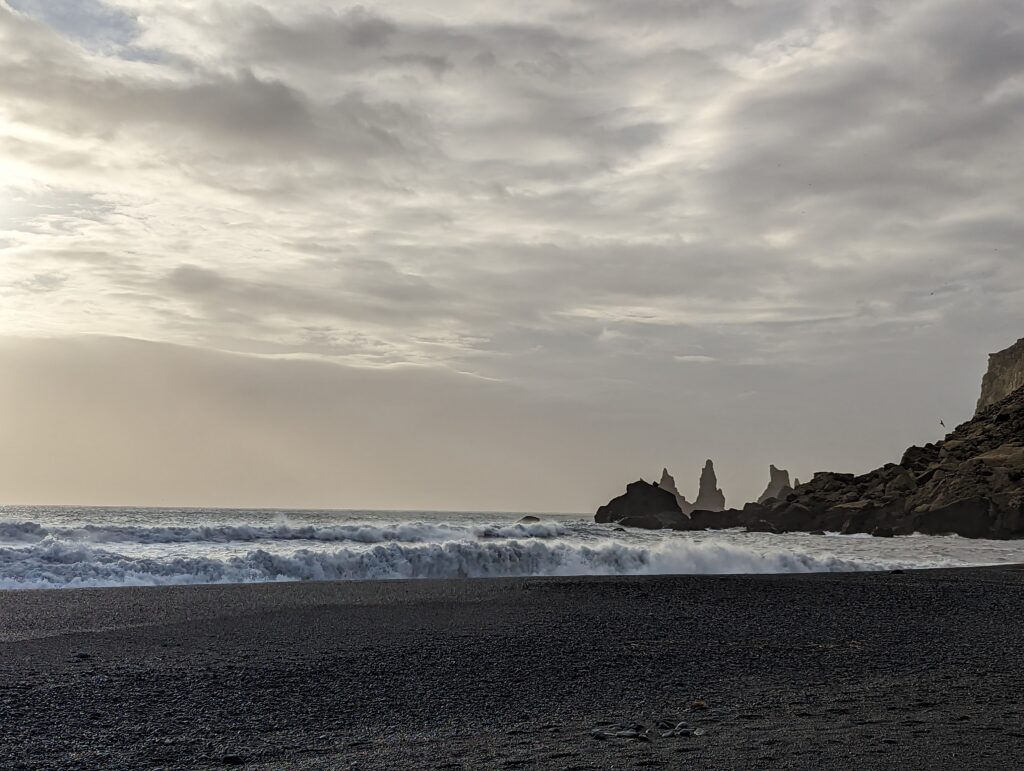
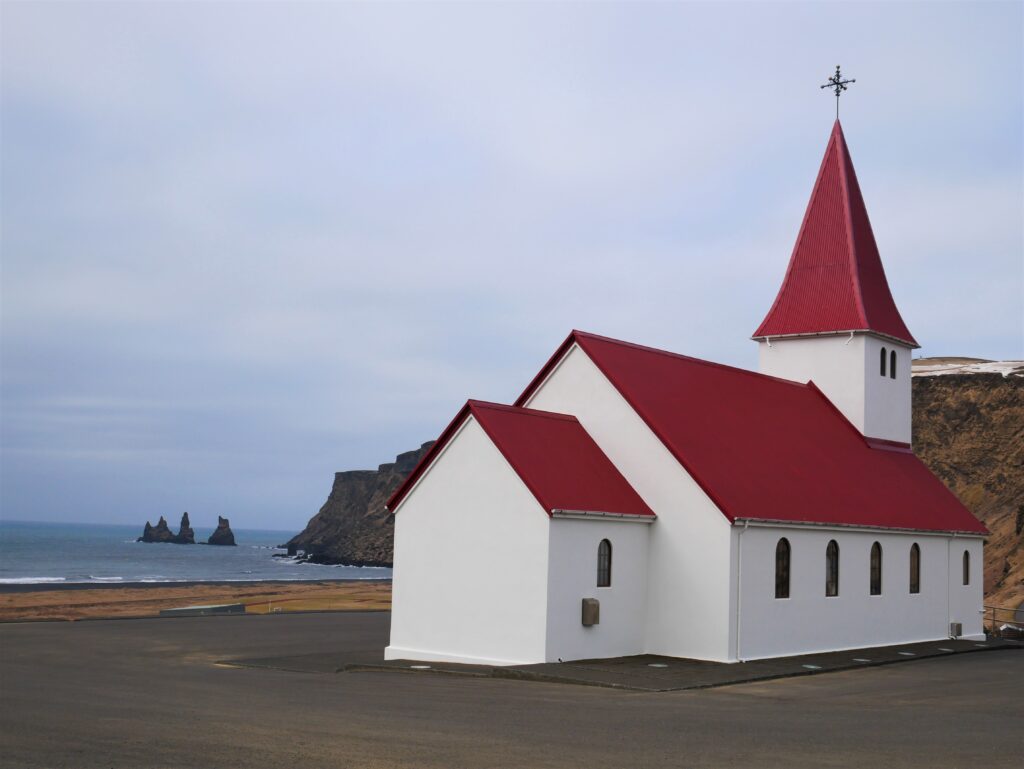
A small coastal village with its own beautiful black‑sand beach, calmer than Reynisfjara and great for a short wander. Vík is also home to the Icelandic Lava Show, where real molten lava is poured in front of you — a unique, high‑energy optional extra. Plus, there is the Vikurfjara Black Sand Beach, with views of the famous basalt columns, sea stacks and powerful waves. It’s one of the most dramatic beaches in Iceland and a must‑see on this route.
Optional extras to tailor the day
- Dyrhólaey — A headland with sweeping views over the coastline.
- Kvernufoss — A quieter waterfall near Skógafoss, reached by a short walk.
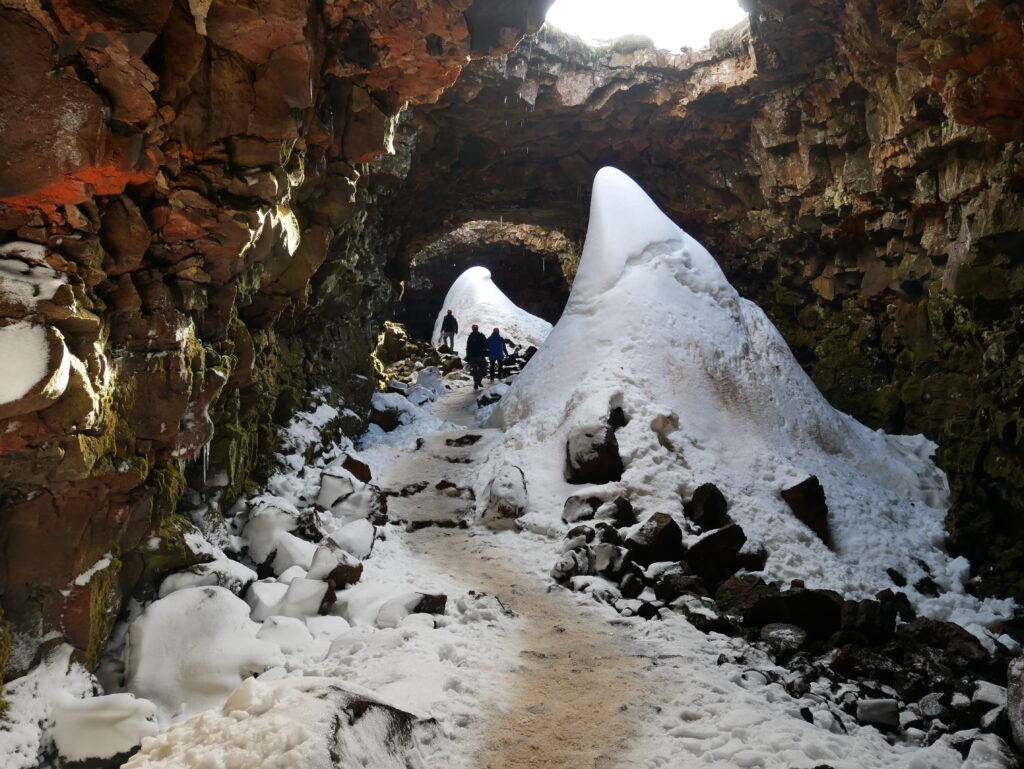
- The Lava Tunnel (Raufarhólshellir) — A lava tube closer to Reykjavík, ideal if you want a geological experience without adding too much driving. Visits are by guided tour, and prebooking is recommended.
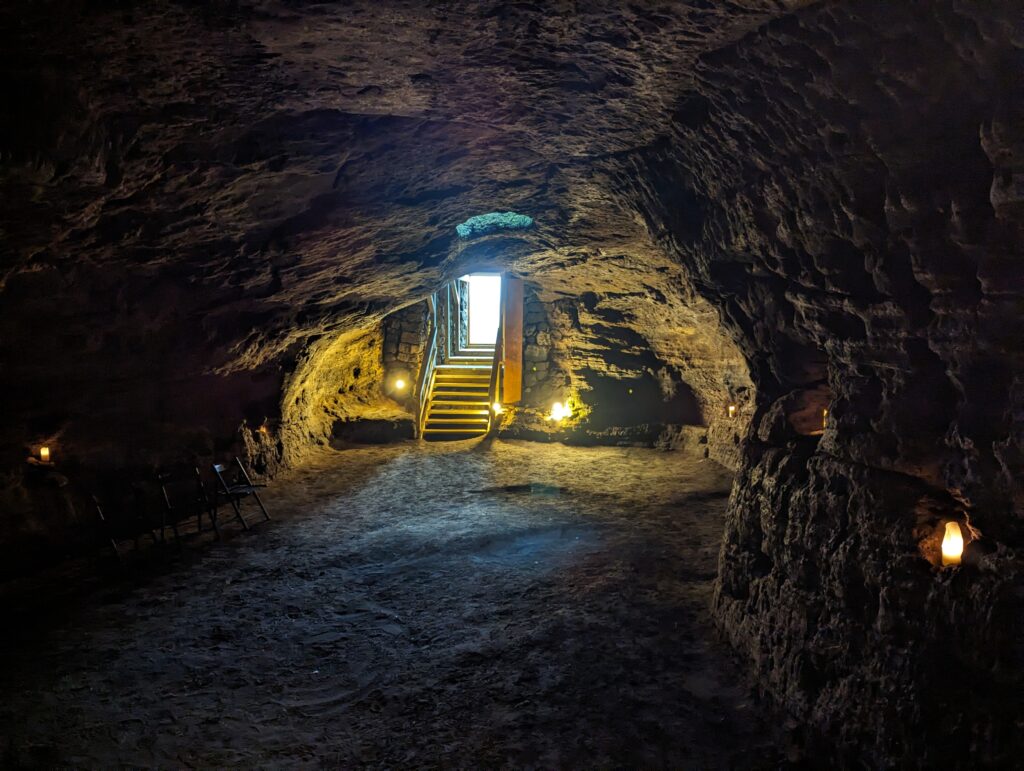
- Caves of Hella — A set of man‑made sandstone caves with a mysterious history, perfect as a cultural stop on the return journey. Visits are by guided tour, and prebooking is recommended.
How the day flows
- Morning: Seljalandsfoss → Skógafoss → Skógar Folk Museum
- Midday: Sólheimajökull Glacier → Plane Wreck
- Afternoon: Reynisfjara → Vík (beach + Lava Show)
- Return: Optional stop at Caves of Hella or the Lava Tunnel
Prefer Not to Drive? Here’s the Guided Tour Version
Day 1 In Iceland – Reykjavik Tours
Guided tours that closely match our Day 1 walking route itinerary:
- City Walking Tour in Small Group with Local Guide
A 2.5‑hour introduction to Reykjavík covering the main landmarks, history and cultural highlights. It’s one of the top‑rated options and follows a route very similar to your suggested walk. - Reykjavík: Sightseeing Walking Tour with a Viking
A fun, story‑driven tour that still covers the core city sights. Good for travellers who want a bit of Icelandic history and humour woven in.
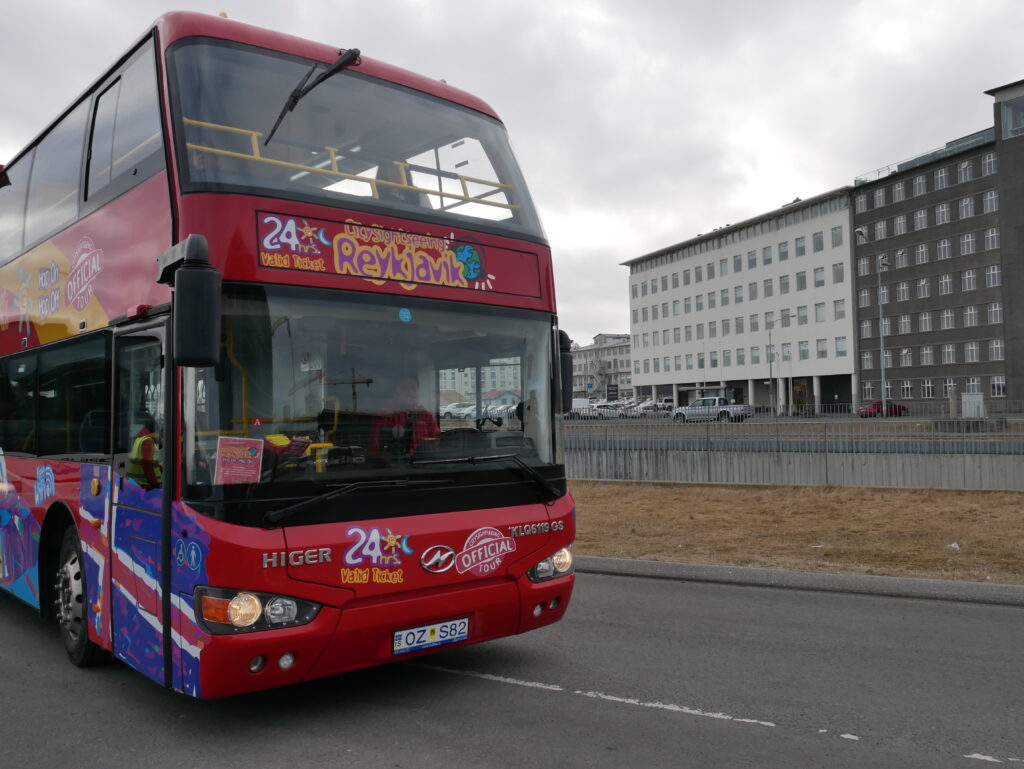
You could add on a City-Sightseeing bus tour to take you to places the tours don’t cover.
Day 2 In Iceland – Geothermal Spa Experience
Blue Lagoon: Best like‑for‑like tour option
The most straightforward match is “From Reykjavík: Blue Lagoon Admission with Transfers”.
It includes hotel pickup, return transport and your chosen admission package, making it the simplest way to visit without a car.
- Direct pickup in Reykjavík
- 4‑hour experience (easy to slot into a relaxed Day 2)
- Includes towel, silica mask and drink depending on package
- Ideal for travellers who want the classic Blue Lagoon experience without navigating buses or taxis
Sky Lagoon: Best tour option with transfers
A strong equivalent is “Sky Lagoon Geothermal Spa with Transfer”, offered through operators like Gray Line.
It includes entry plus the signature 7‑step ritual, with return transport from Reykjavík.
- Only a few minutes from Reykjavík
- Includes the Skjól ritual (sauna, cold plunge, steam, scrub)
- 2.5‑hour experience — perfect for a slower day
- Great alternative for people who want something calmer and closer than the Blue Lagoon
Day 3 In Iceland – Golden Circle Tour
This is the classic full‑day version that covers the three main highlights with a local guide. It includes:
- Þingvellir National Park — walk between the tectonic plates and explore the rift valley.
- Geysir geothermal area — see Strokkur erupt every few minutes.
- Gullfoss waterfall — one of Iceland’s most powerful falls.
- Kerið volcanic crater — included on many tours as an extra stop.
This tour typically lasts 8–9 hours, includes transfers from Reykjavík, and is one of the most popular options for first‑time visitors.
Day 4 In Iceland – South Coast Highlights
South Coast Day Tour (Guide to Iceland). Another excellent match, this tour includes Seljalandsfoss, Skógafoss, Reynisfjara, Vík, and more, with a knowledgeable guide and free Wi‑Fi onboard. It’s a slightly longer day (around 10 hours) and focuses on the region’s biggest highlights.
- Same major stops as the driving route above
- Includes an English live tour guide
- Good option for travellers who want a classic, well‑paced South Coast experience
Best Hotels in Reykjavik
| Hotel | Rating (out of 5) | Price Category |
|---|---|---|
| Reykjavik Lights | 4.5 | Mid‑range |
| Fosshotel Reykjavik | 4.4 | Mid‑range |
| Center Hotels Plaza | 4.0 | Budget |
| Storm Hotel | 4.6 | Mid‑range |
Top Tips for Iceland
Plan Your Days Around the Light – Daylight changes dramatically through the year. Winter days are short, so plan sightseeing and driving during daylight hours. Summer gives you long evenings, making it easier to fit more in without rushing.
Keep Your Itinerary Simple – Reykjavík, the Golden Circle and the South Coast each fill a day comfortably. These routes are close together, easy to reach and ideal for a 3–4 day trip.
Driving Is Optional – Hiring a car gives you freedom to stop at waterfalls, viewpoints and beaches whenever you like, but every major route also has excellent guided tours. It’s just as easy to explore without driving. Iceland is huge, a lot bigger than you probably think. For example, driving time from Reykjavik to Vik is 2hr30, and this is just a small corner of the map. It takes around 8 hours to get from one side of Iceland to the other. There are no motorways, there are no trains and in winter the roads may be icy or covered in snow. We visited during the snow, and our hire car had snow tyres.
Pack for All Weather – Iceland’s weather changes quickly. Layers, a warm mid‑layer, a waterproof jacket and sturdy shoes make a big difference. Don’t forget your swimwear if you want to visit a geothermal spa.
Save Where You Can – Tap water is glacier‑fresh and completely safe to drink. Many of Iceland’s biggest sights, waterfalls, beaches and viewpoints are free to visit. Supermarkets like Bónus and Krónan help keep food costs down.
Will you see the northern lights in Iceland?
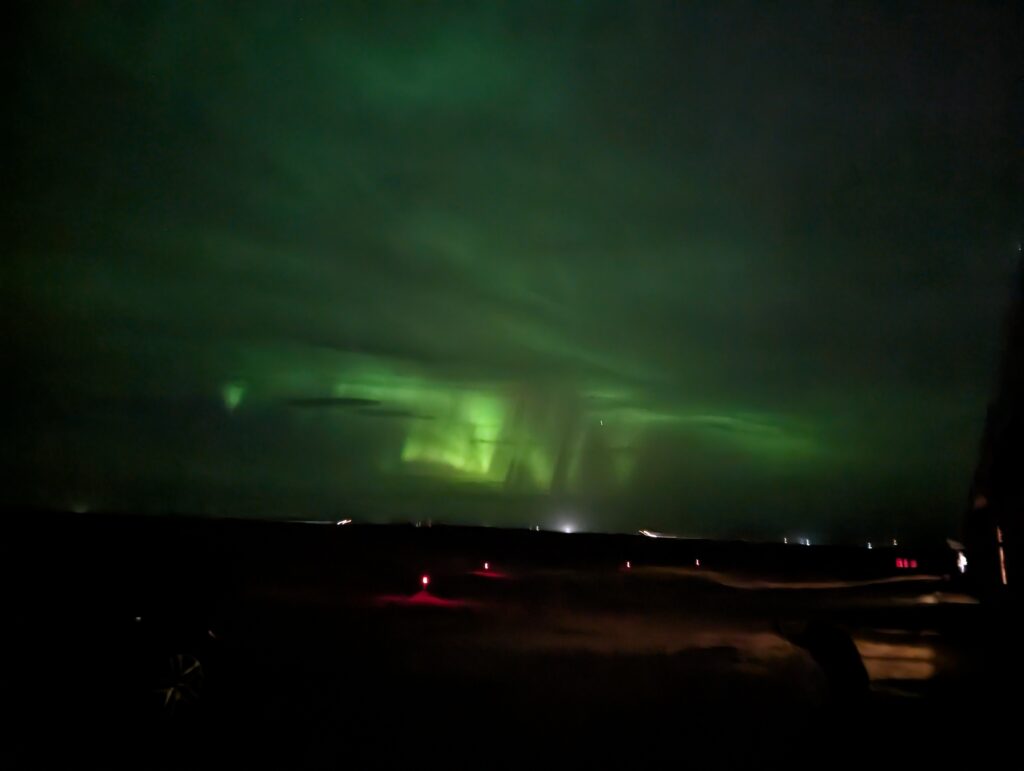
Seeing the northern lights in Iceland is never guaranteed, but the chances are genuinely good from late September to early April, and our own trips in late October and early April proved it as we saw them twice on both visits. The key is getting a clear night, because even strong auroras disappear completely behind clouds, and that’s why many hotels (including the one we stayed in) offer an optional northern lights wake‑up call so you don’t have to stay up all night watching the sky.
Search for Cheap Flights
A 3–4 day trip to Iceland is short but incredibly rewarding, and this itinerary keeps things simple while still showing off the country’s best landscapes. Whether you choose to drive or join guided tours, each day gives you a mix of waterfalls, geothermal pools, coastal views and the kind of scenery Iceland is known for. With everything sitting within easy reach of Reykjavík, it’s a trip that feels full without ever feeling rushed — the perfect balance of adventure and downtime.