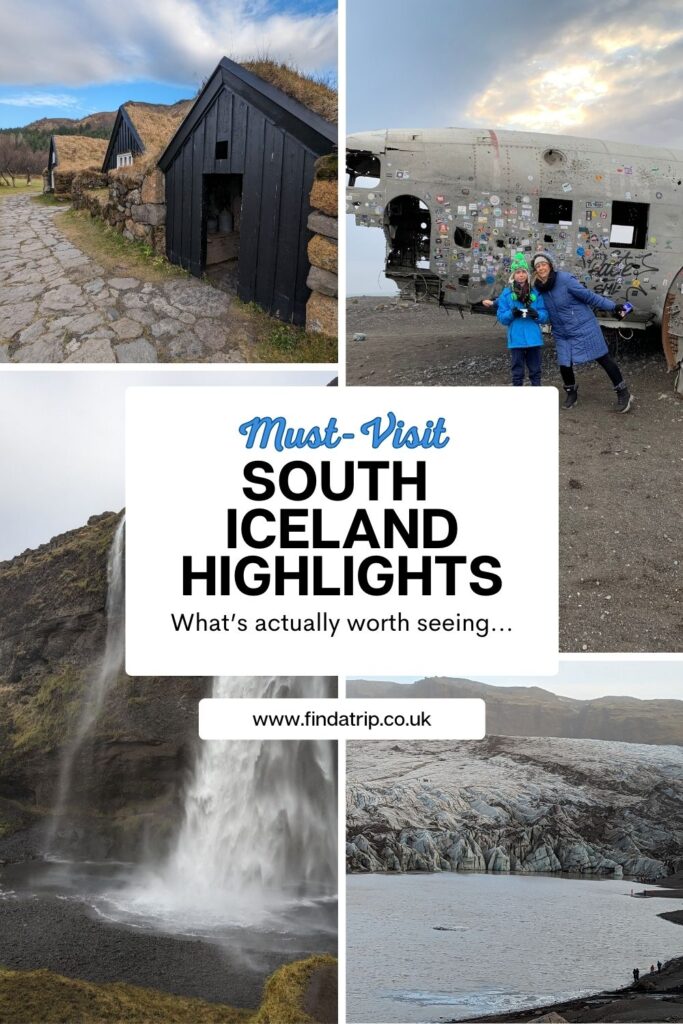
South Iceland Highlights: What’s Actually Worth Seeing

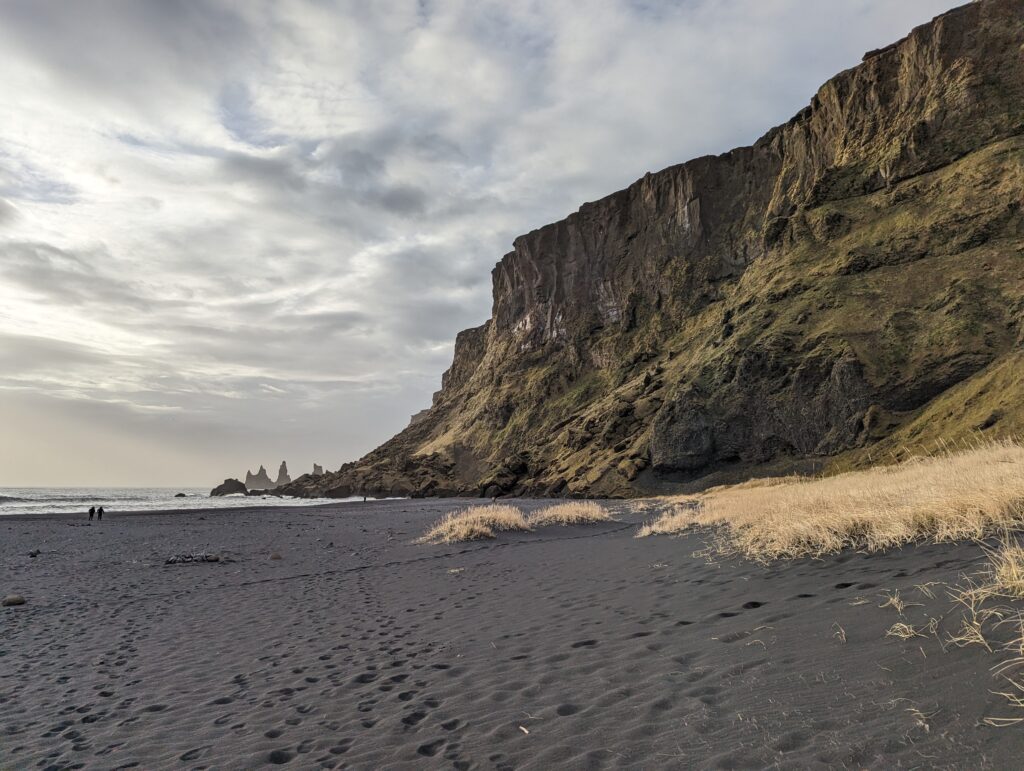
South Iceland is one of the most spectacular regions in the country, but with so many waterfalls, black‑sand beaches and viewpoints packed into a single stretch of coastline, it can be hard to know what’s genuinely worth prioritising. We loved it so much, we went back for a second time. Some places are absolute must‑sees, the kind of stops that define a South Iceland trip and deliver those “only in Iceland” moments. Others are still beautiful and memorable, but better suited to days when you have a little more time or want to explore beyond the headline sights. My guide breaks everything down into clear categories: the highlights you shouldn’t miss, the places that are lovely but less essential, and the bonus stops that round out the route if you’re travelling at a slower pace.
A Quick Note
This article contains affiliate links. I may earn a small commission if you book through them, at no extra cost to you. Just so you know: I share the best travel finds I come across, but I’m not a travel agent, so I can’t offer custom quotes or change dates or airports.
Prices and availability can shift, so please double‑check everything with the travel provider before booking. Any booking you make is directly with them.
Don’t Miss Reykjavik
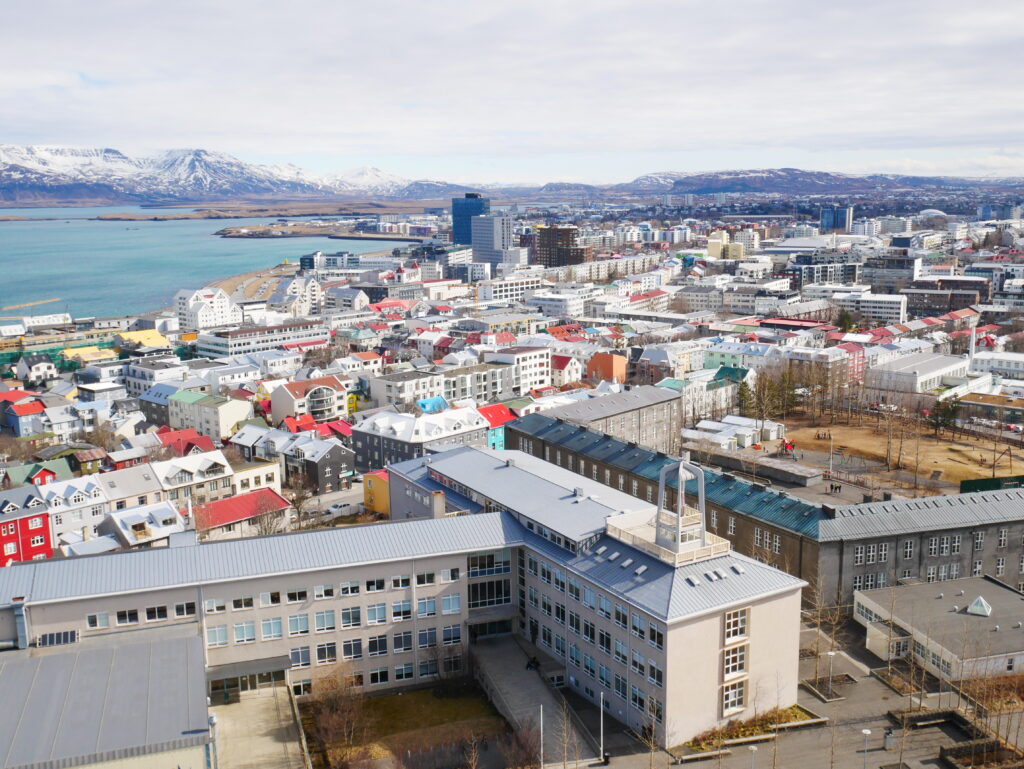
Reykjavík technically sits in Southwest Iceland, but it’s such a major hub and such a different experience from the waterfalls and black‑sand beaches further along the coast that it deserves its own guide. Most travellers start or end their trip there, so rather than squeeze it into this South Iceland highlights list, I’ve covered it separately in a dedicated post with a full 1–2 day itinerary. If you’re beginning your journey in the capital, it’s worth reading that first to get a feel for the city before heading out along the South Coast.
Highlights You Shouldn’t Miss in South Iceland
These are my absolute essential places to visit; they define South Iceland and deliver the biggest impact.
Seljalandsfoss
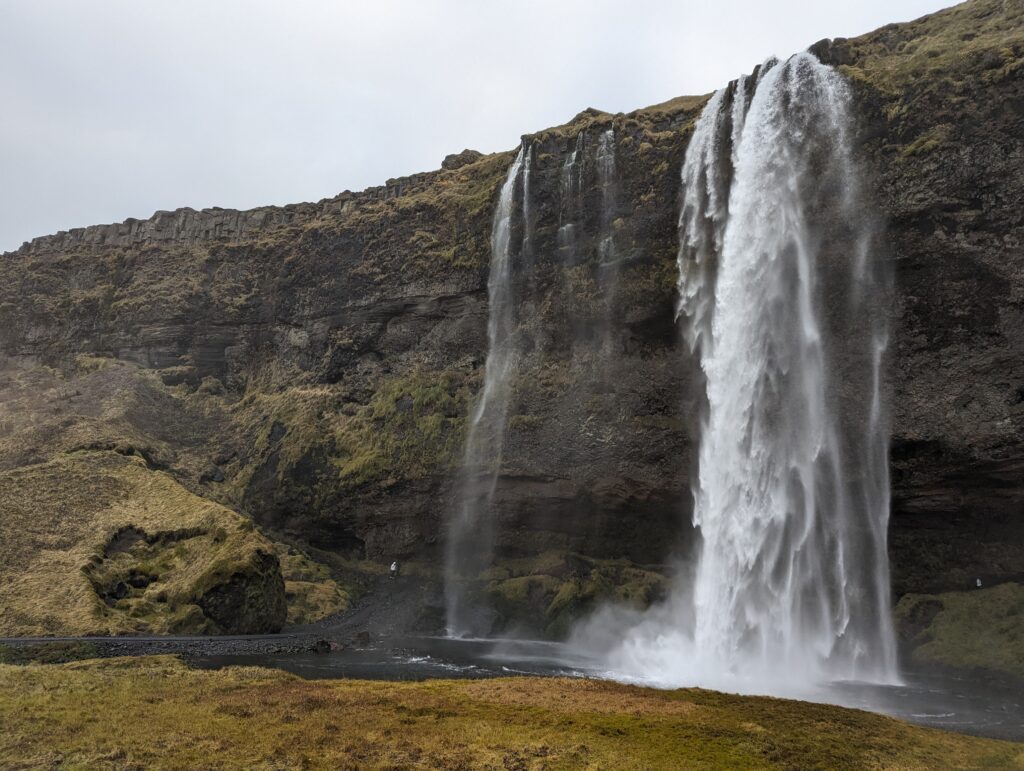
Seljalandsfoss is one of South Iceland’s most recognisable waterfalls, famous for the path that lets you walk all the way behind the cascade. It drops around 60 metres into a shallow pool and is easily reached from the Ring Road, with a short, well‑maintained trail leading right up to (and behind) the falls. Parking requires a small fee, which helps maintain the paths and facilities, and there are toilets and a simple café on site. We have visited here twice, but we still haven’t walked behind the falls.
Skógafoss
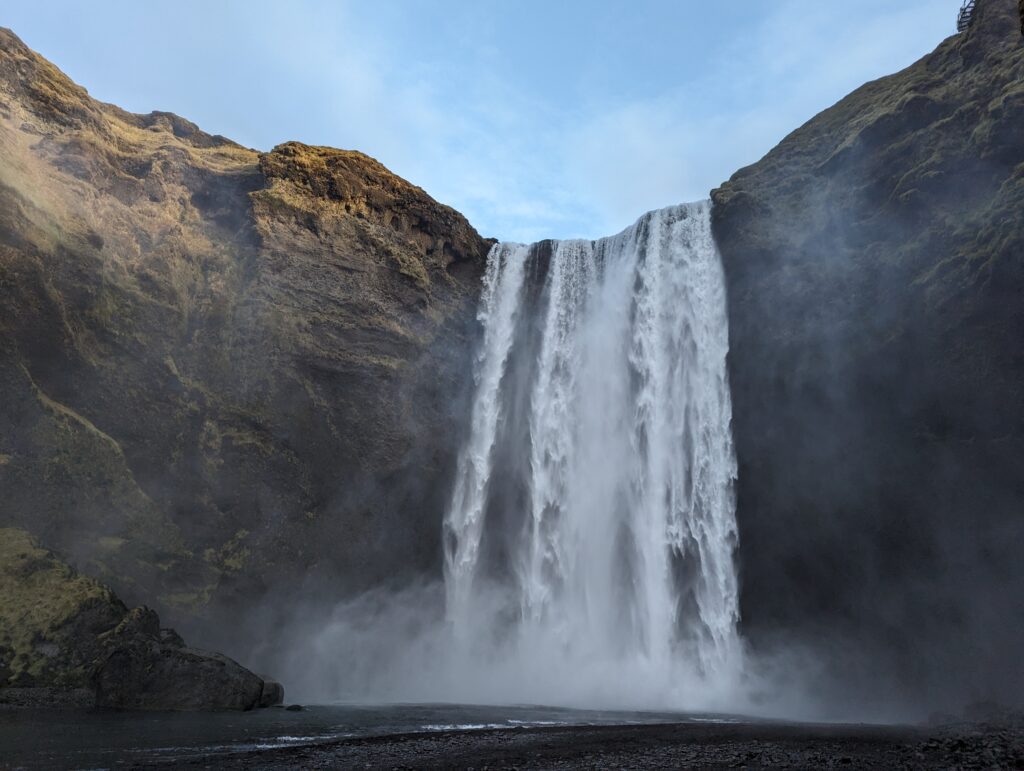
Skógafoss is one of Iceland’s most powerful and photogenic waterfalls, dropping 60 metres. You can walk right up to, the closer you get depends on how wet you may or may not want to get. It sits just off the Ring Road, with a flat path leading to the base. You have the option to climb the long staircase to the right of the cliff for sweeping views over the coastline and the river above. As we’ve always visited with my Mum, we’ve never made it to the top. The spray often creates rainbows on sunny days, and the sheer noise and force of the water make it a memorable stop in any weather. There’s free parking, toilets, and a small café nearby, making it an easy and well‑serviced place to visit. We like to visit here early in the day, as you can have it pretty much to yourselves.
Skógar Folk Museum
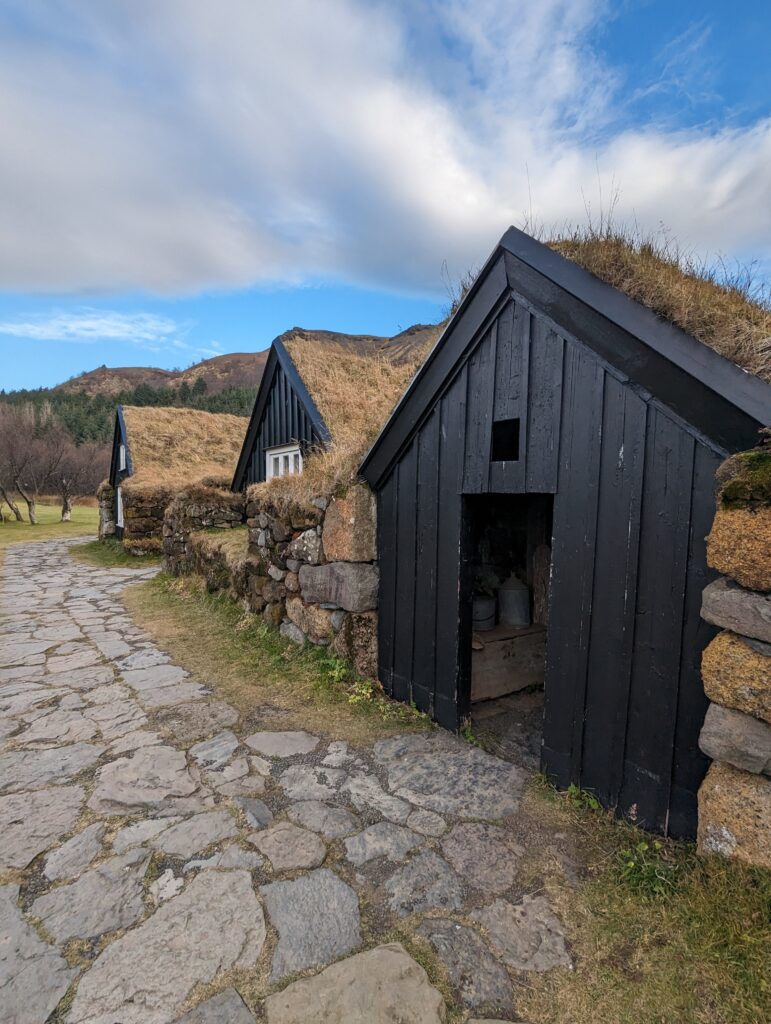
Skógar Museum sits just a short walk from Skógafoss and offers one of the best glimpses into Iceland’s cultural history. The collection includes around 15,000 artefacts and six historic buildings, with an open‑air section showcasing turf houses and examples of traditional Icelandic architecture from different periods. A full visit typically takes 1-2 hours if you explore all three museum areas. There’s free parking, toilets and a small café on site (with the most amazing sweet offerings), making it an easy and worthwhile stop if you want to understand the region beyond its waterfalls. My son loved exploring the turf houses and, of course, the cakes!
Reynisfjara Black Sand Beach
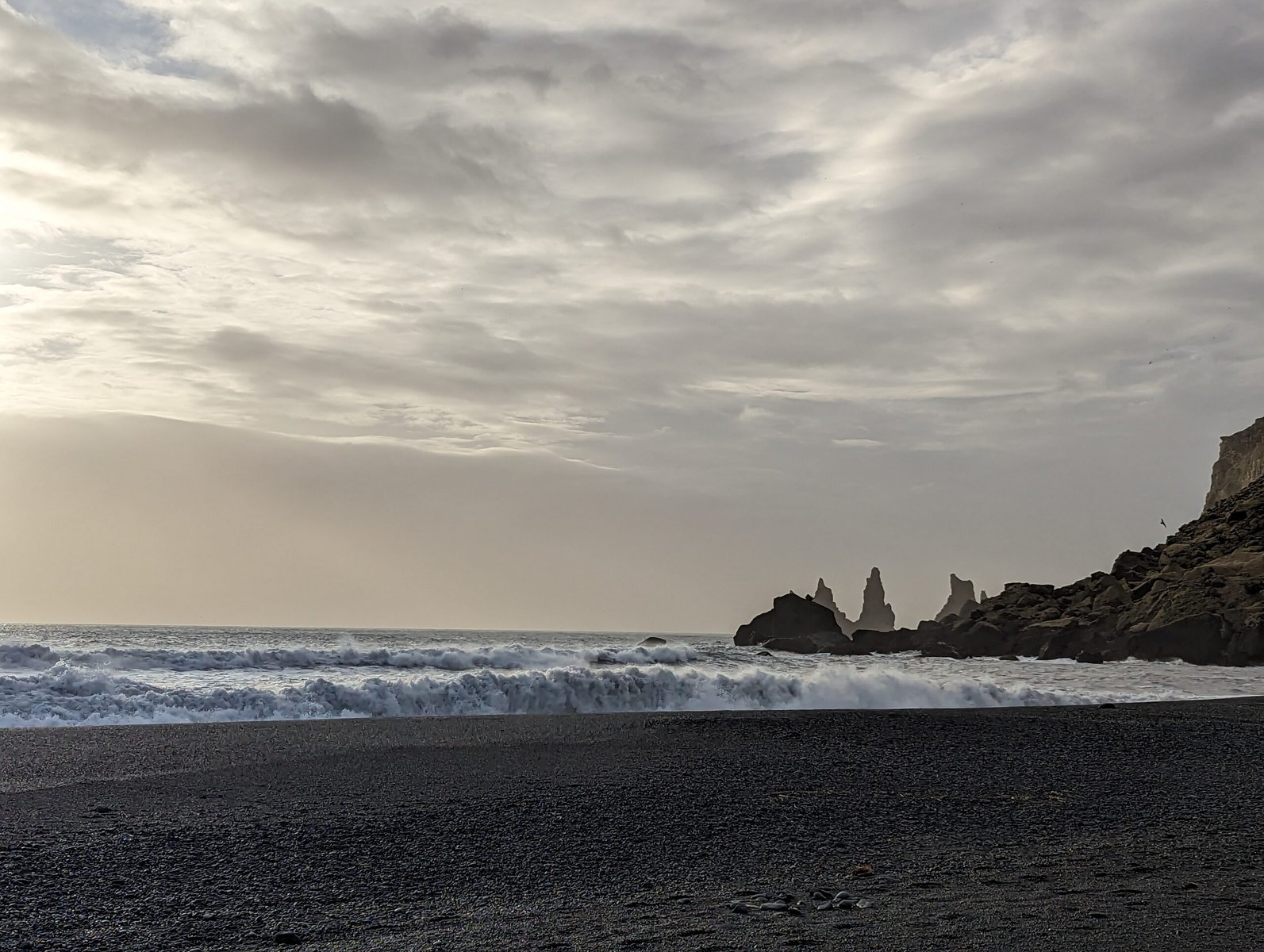
Reynisfjara is Iceland’s most famous black‑sand beach, known for its basalt columns, roaring Atlantic waves and the dramatic Reynisdrangar sea stacks. Recent storms and coastal erosion have reshaped parts of the shoreline, so access is now managed through clearly marked safety zones. Depending on tides and surf, some areas near the basalt columns or cave may be temporarily restricted, but the main viewpoints remain accessible. It’s a spectacular stop in any weather, as long as you follow the warning signs and keep a safe distance from the unpredictable sneaker waves. If you don’t want to brave it, we love the Víkurfjara Black Sand Beach. at Vik.
Ingolfshofdi Puffin Tour
The Ingólfshöfði Puffin Tour is the only way to reach this remote headland, and it’s one of the most memorable wildlife experiences in South Iceland. A tractor‑pulled haycart takes you across the black‑sand wetlands to the nature reserve, where a guided walk leads over grassy cliffs and nesting areas filled with puffins during the summer months. Tours run from late May to mid‑August, when the colony is active, and the combination of scenery, birdlife and the unusual journey makes it a standout stop for families and photographers.
Sólheimajökull Glacier
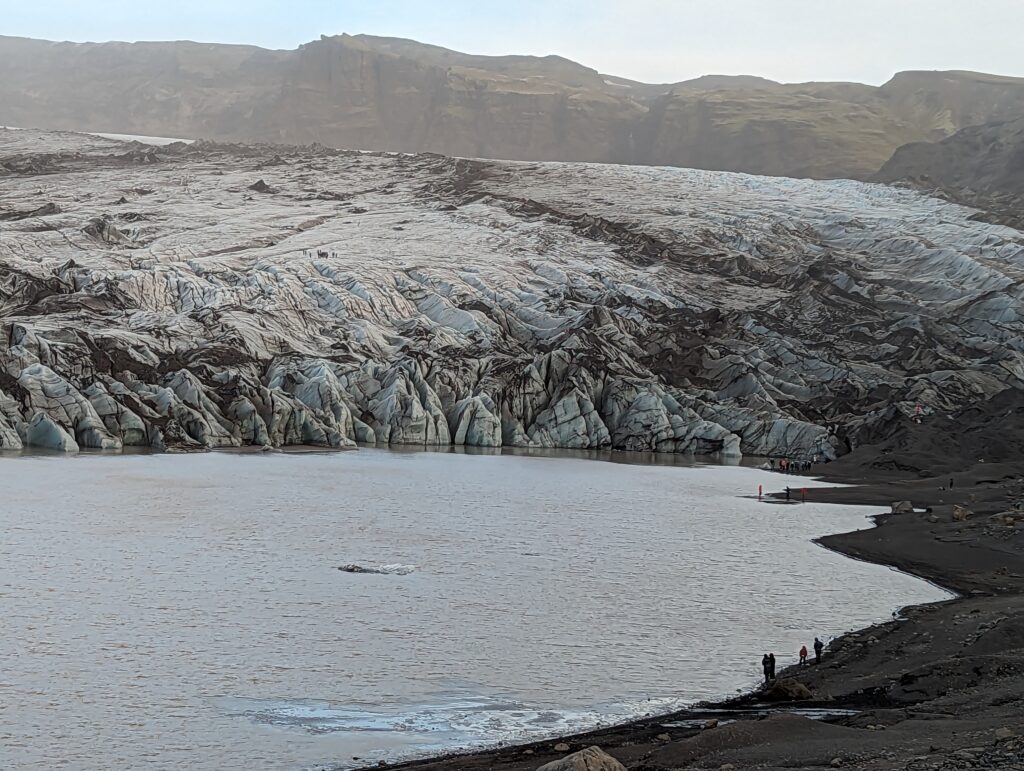
This is one of the easiest glaciers to reach in South Iceland, with a short path leading to views of the edge of the ice. Guided tours are required if you want to get closer or step onto the glacier itself, as the surface is constantly shifting. The 15‑minute walk from the car park, which we did, gives you impressive close‑up views even without joining a hike. This made it a nice, quick stop off when we visited. In summer, kayaking tours run on the lagoon for a different perspective on the ice and the surrounding volcanic landscape. There’s a car park with toilets at the trailhead, and the route is straightforward and well‑marked.
Vík & Surrounding Coastline
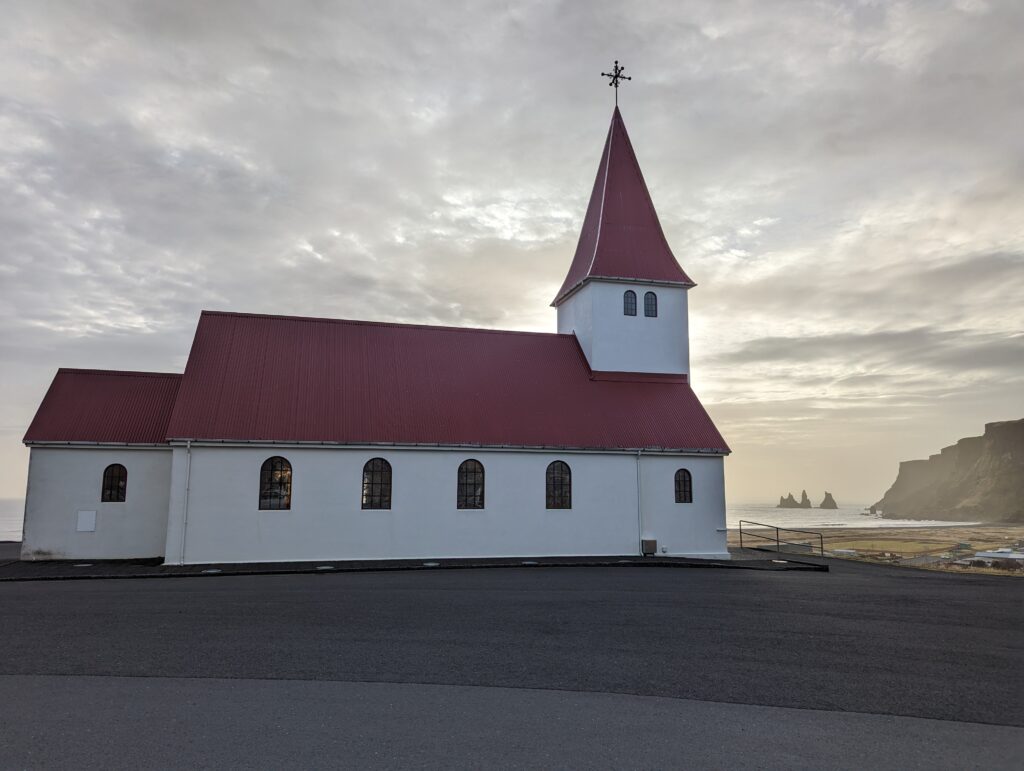
A good stop off is the small coastal village of Vik, framed by volcanic cliffs, a sweeping black‑sand shoreline and its iconic red‑roofed church from 1929. The beach here is often windy, but the views towards Reynisdrangar are striking, and the viewpoint by Vík Church gives a lovely elevated look over the town and coastline. Vík has good facilities, including toilets, cafés and a modern shopping complex with excellent doughnuts. Both times we’ve been, we’ve sampled the doughnuts and driven up to the church for photos.
Fjaðrárgljúfur Canyon
This winding, moss‑covered canyon offers sheer walls, sweeping viewpoints and an atmosphere that feels straight out of a fantasy film. A well‑maintained path runs along the canyon’s edge, with several fenced viewpoints looking down into the river below. The walk is easy and usually takes 45–60 minutes if you follow the trail to the upper viewpoint. There’s a small car park with toilets at the entrance, and the access road is generally open year‑round, though it can close temporarily in winter or after heavy rain to protect the fragile landscape.
Lava Tunnel Raufarhólshellir
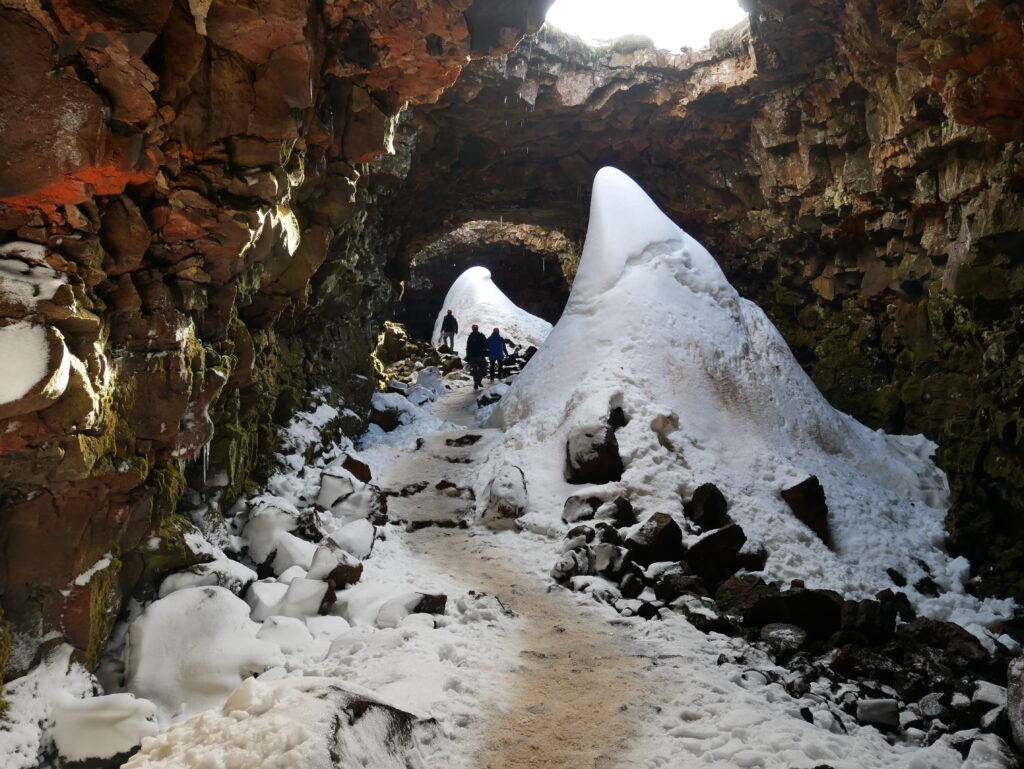
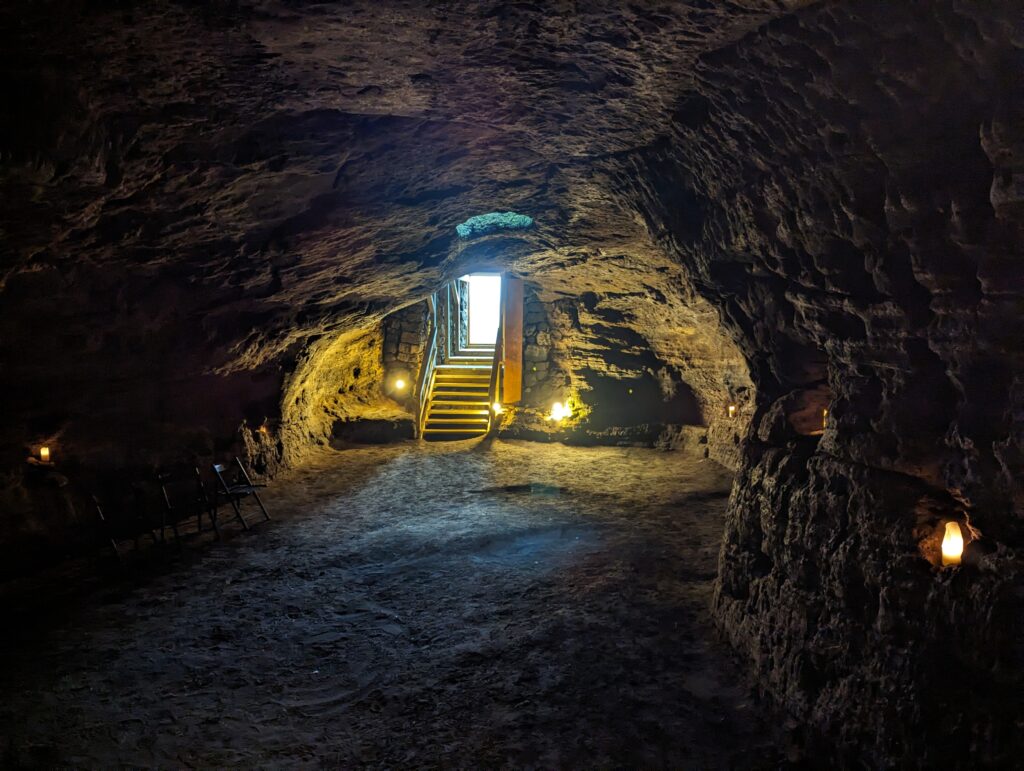
This impressive lava tube is one of the largest in Iceland and offers a fascinating look beneath the country’s volcanic landscape. Guided tours take you along the illuminated walkway to see shifting colours, rock formations and the dramatic scale of the cave. The ground can be uneven and slippery in icy weather, so sturdy footwear is essential. A standard tour lasts around an hour and includes stories about the tunnel’s geology and its Hollywood connections. There are toilets on site and parking at the entrance. I love my photo below of the Lava tunnel with a pile of snow inside it that comes in through one of the openings. The ice mounds in the tunnel were something else!
Jökulsarlón Glacier Lagoon
This vast glacial lake, Jökulsárlón Glacier Lagoon, is filled with drifting icebergs that break off from Breiðamerkurjökull and constantly reshape the scenery. You can walk along the eastern shore for close‑up views of the ice and a good chance of spotting seals in the water. From May to mid‑November, boat tours operate on the lagoon, offering a closer look at the icebergs, though they can be pricey. Visiting the lagoon itself is free, and there’s a café with toilets and parking at the main viewpoint.
Diamond Beach
A few minutes from the Glacier Lagoon is this dramatic shoreline, Diamond Beach, where chunks of ice scatter across the black sand like crystals. The scene changes constantly as the tide moves the icebergs around, making every visit feel different. Parking is free, and facilities are available at the lagoon opposite.
Geothermal Spots for a Dip in South & Southwest Iceland
South and Southwest Iceland have some brilliant geothermal pools where you can warm up between waterfalls or end the day with a soak. They range from natural‑feeling outdoor pools to modern spa‑style lagoons, and most sit just off the main Ring Road, making them easy to add to any South Coast route.
Sky Lagoon (Kópavogur)
Just outside Reykjavík sits this dramatic oceanside geothermal spa, Sky Lagoon, where warm infinity‑edge pools blend into the North Atlantic. The lagoon is known for its seven‑step bathing ritual inspired by Icelandic traditions, along with sweeping views, steam rooms and cold‑plunge areas. Facilities include changing rooms, showers, a bar, a café and on‑site parking, making it an easy and luxurious stop at the start or end of a South Coast itinerary.
Blue Lagoon (Reykjanes Peninsula)
Set in the lava fields of the Reykjanes Peninsula, the Blue Lagoon is a milky‑blue geothermal spa surrounded by steam vents and dark volcanic rock. It sits close to Keflavík Airport, making it a popular first or last stop on an Iceland trip. Despite the ongoing volcanic activity on the peninsula, the Blue Lagoon is currently open, with authorities monitoring the area closely and adjusting access when needed. Facilities include changing rooms, showers, a café, a restaurant and on‑site parking, and pre‑booking is essential year‑round. This is the priciest of the geothermal pools, but it’s worth it. Sadly, the volcano eruptions stopped us from visiting the second time around, but we are still hoping to return.
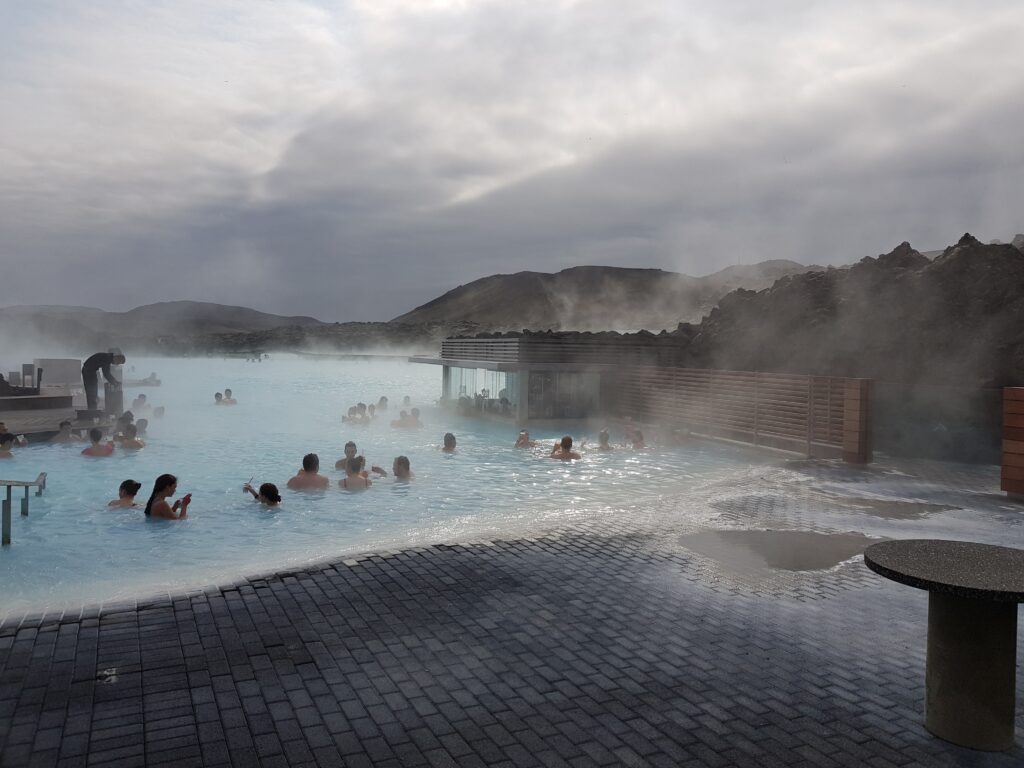
Secret Lagoon (Flúðir)
Secret Lagoon in Flúðir is a quieter, more traditional geothermal pool surrounded by natural steam vents and gently bubbling hot springs. The water stays warm year‑round, and the open‑air setting gives it a relaxed, local feel compared with Iceland’s larger spas. Facilities include changing rooms, showers, toilets and a small café, and there’s free parking on site.
Reykjadalur Hot Spring River (Hveragerði)
Reykjadalur Hot Spring River in Hveragerði is a scenic geothermal valley with a 3 km trail that you can walk partly or fully, depending on how you feel. The hike takes around an hour each way, passing steaming vents, bubbling mud pools and colourful geothermal hillsides. At the top, a naturally warm river offers a unique place to paddle or bathe. There’s a restaurant and toilets at the car park, and the path is well‑marked, though it can be muddy after rain.
Worth Seeing If You Have Time
Beautiful and memorable, but not quite as essential as the headline sights.
Kvernufoss
This is a quieter, tucked‑away waterfall near Skógafoss, reached by a short walk through a narrow green valley. You can walk behind the falls when conditions are safe, and the sheltered gorge gives it a peaceful, hidden feel compared with its famous neighbour. There’s parking at the Skógar Museum, and the trail is easy to follow, though it can be muddy after rain.
Sólheimasandur Plane Wreck
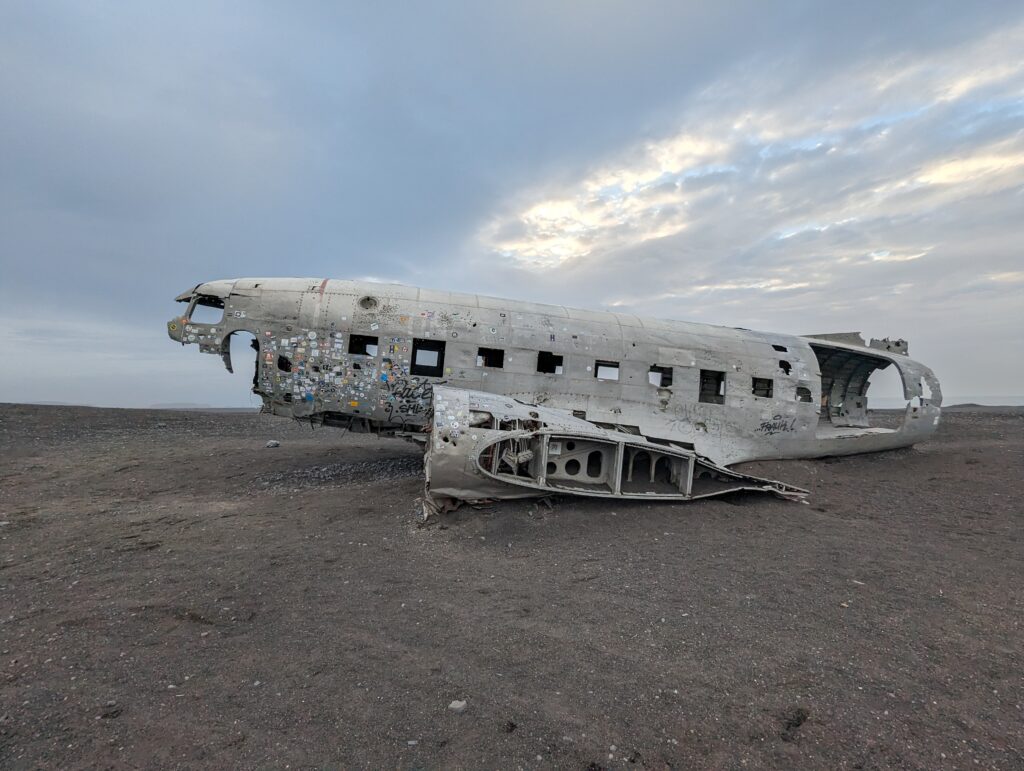
This is one of the South Coast’s most photographed spots, where a US Navy aircraft crash‑landed in 1973 and was left behind on the black‑sand desert. The stark landscape makes a dramatic backdrop to the wreck, but reaching it requires planning: you must either book the shuttle in advance or walk the 2.4‑mile (4 km) path each way. There’s a charge for parking, and there are no toilets at the site or along the trail. We went with the shuttle option, which was quite the bumpy ride but a great time saver as it’s not really worth the effort of walking there and back.
Kirkjubæjarklaustur
Kirkjubæjarklaustur is a small, peaceful village surrounded by basalt formations, waterfalls and short walking trails that are easy to explore. Highlights include the hexagonal basalt floor of Kirkjugólf and the nearby Systrafoss waterfall, both just a few minutes from the centre. The village has cafés, toilets, a petrol station and a supermarket, making it a handy stop between Vík and Skaftafell.
Caves of Hella
The Caves of Hella are twelve man‑made caves near Hella, thought to be among Iceland’s oldest surviving archaeological sites. A one‑hour guided tour explores four of them, revealing carved crosses, wall markings and stone benches. This was a really interesting tour as we found out a lot about Iceland that we never knew before. Parking and basic facilities are available at the visitor centre.
Krysuvik Geothermal Area
Located close to the Reyjkavuk is an otherworldly landscape filled with steaming vents, colourful mineral-stained hills and bubbling mud pools. A well‑maintained boardwalk winds through the geothermal field, with signs explaining the geology and the forces shaping the area. The sulphur deposits give it a distinctive smell, but the scenery is striking and easy to explore. There are toilets in the car park, and the site is just a short detour from the main road.
Lava Show Vik
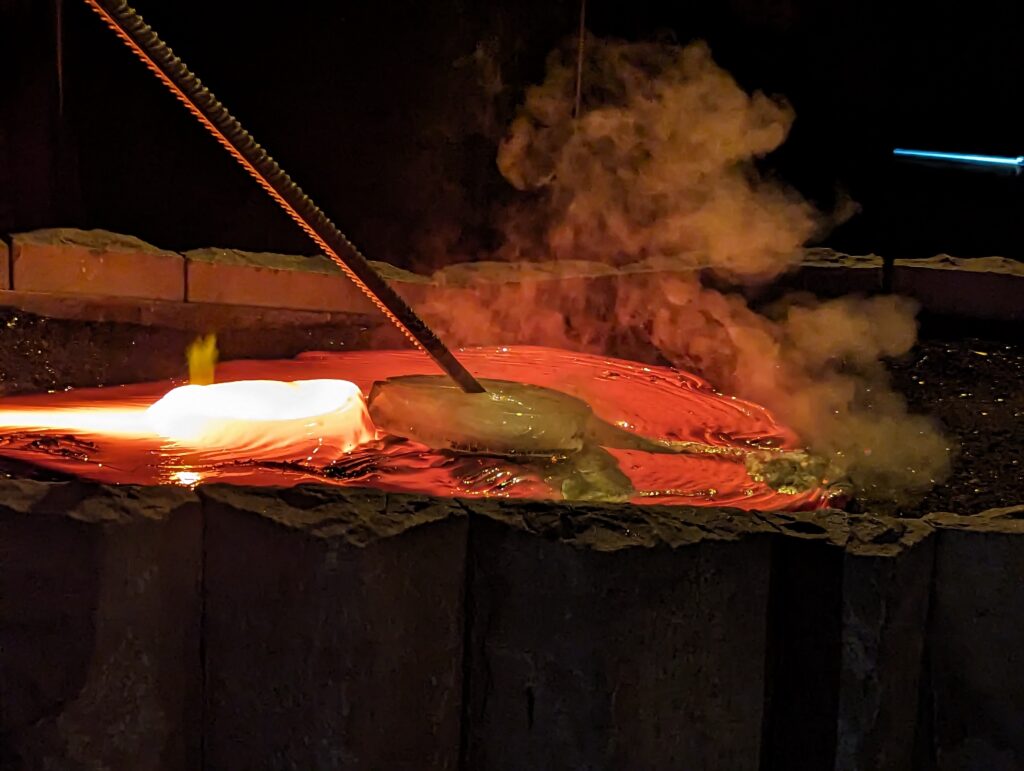
This immersive volcanic experience in Vík lets you watch real molten lava being poured just a few metres away. Over a 45‑minute show, you’ll learn how lava behaves, how eruptions shape Iceland’s landscape and why the nearby Katla and Eyjafjallajökull volcanoes are so significant. The live lava pour recreates the heat, colour and movement of an eruption in a safe indoor setting. Arriving early helps you get good seats and pick up a drink before the show begins. Make sure you wear the goggles, as it gets super hot.
Keldur Turf House
This remote historic site sits among rolling farmland and feels wonderfully untouched, with turf‑roofed buildings, a small church and a quiet graveyard. The drive can be rough, so a suitable car is important, but the sense of stepping back in time makes the journey worthwhile. In winter, the site is free to visit as the interiors are closed, and there are no facilities on site. My son loved exploring the site, and even better, we had it all to ourselves in the winter.
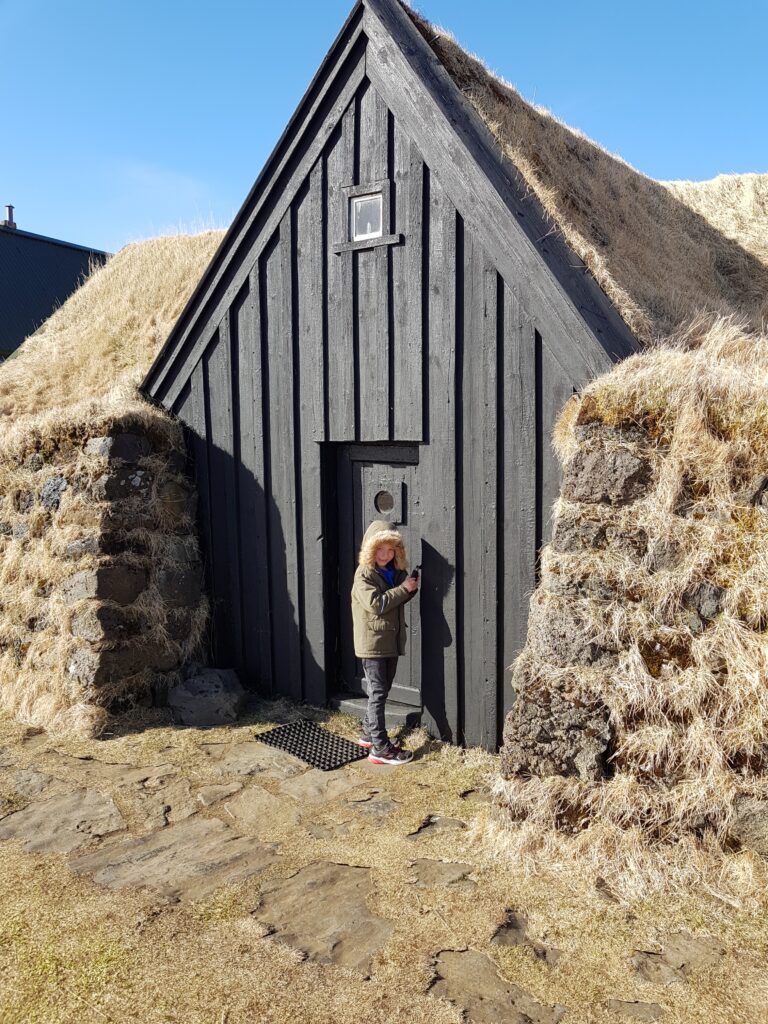
These are great additions if you have a relaxed schedule or want to add variety between the major stops.
Nice Extras for a Slower Itinerary
Easy detours, short walks and quirky stops that add texture if you’re exploring at a gentler pace.
- Lava Centre (Hvolsvöllur) – Interactive exhibits on Iceland’s volcanic systems. We went here on our first visit to Iceland and found it a bit pricey.
- Dverghamrar — Small basalt cliffs with folklore connections. It is very easy to reach, sitting just off the Ring Road with a small car park beside it and only a short, flat path leading to the basalt columns
- Hjörleifshöfði Hike — A short climb to a burial mound with sweeping views.
- Vík Wool Factory Shop — Local wool goods and Icelandic textiles.
- Svartifoss Waterfall – Also known as the Black Waterfall, the Svartifoss Waterfall is one of the highlights of Southern Iceland’s Coast. It is located in the Skaftafell Nature Reserve, and it is a 1-mile hike uphill. It’s not a challenging climb, though. A walk there and back takes around 1.5 hours. It is a popular but busy hike. There is a small charge to park, plus a visitor centre with toilets.
These aren’t must‑dos, but they’re lovely if you enjoy wandering, photography, or discovering quieter corners of the region. Want to explore more of Iceland? Check out our 3–4 day itinerary. You can either drive it yourself or join guided tours that follow a similar route.
South Iceland is one of those regions where you could spend days exploring, but even a single well‑planned route delivers some of the most dramatic scenery in the country. Focusing on the true highlights means you’ll see the best of the coast without feeling rushed, while the “worth it if you have time” stops and slower‑paced extras let you shape the day to match your energy, weather and daylight. Whether you’re chasing waterfalls, walking black‑sand beaches or soaking in geothermal pools, this stretch of Iceland is packed with moments that stay with you long after the trip.