Day Trip to Orkney – how to get the most out of a day there

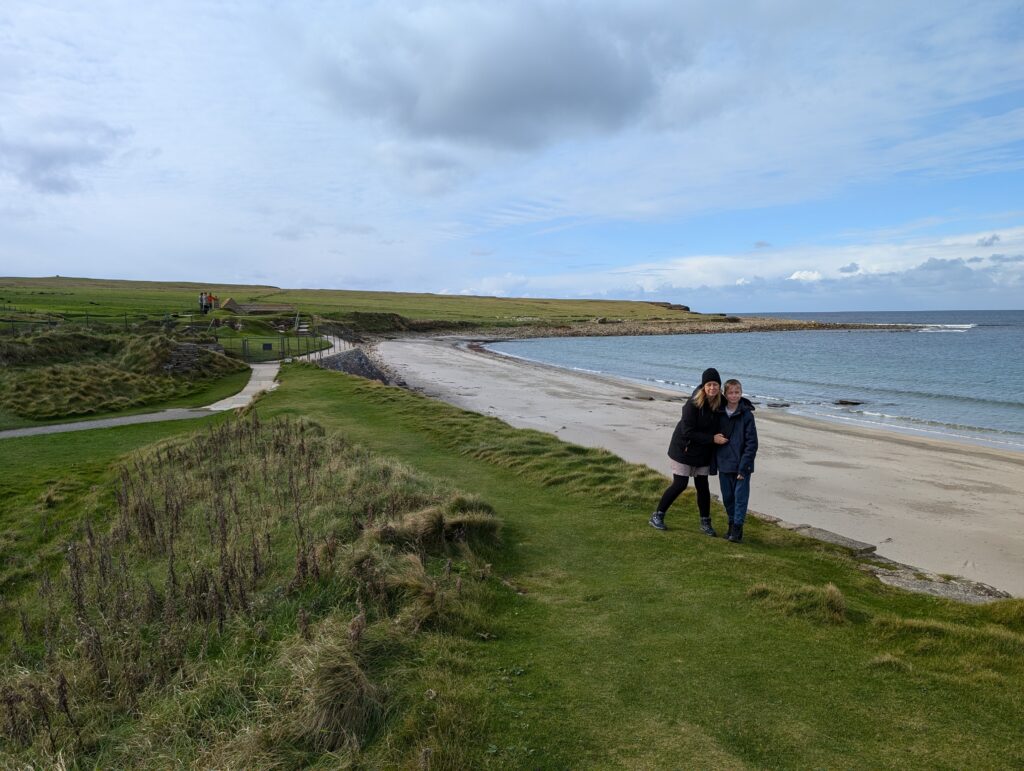
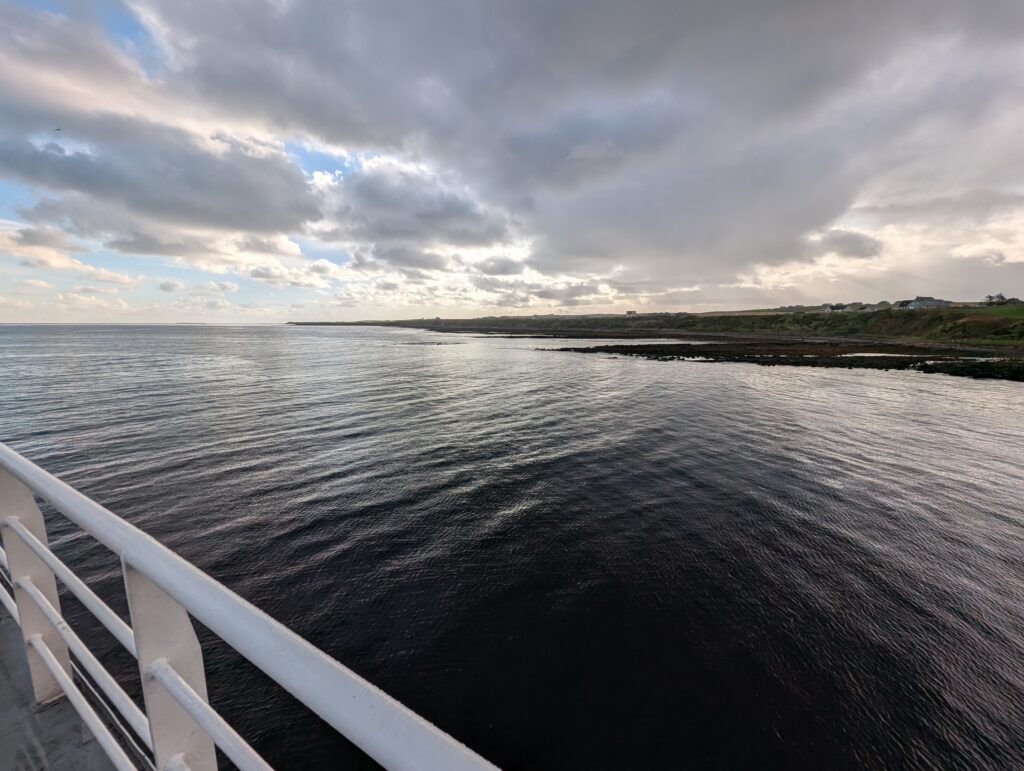
We were staying right up in the far north of Scotland, just outside John O’Groats, which made Orkney feel incredibly close. It’s one of those places that looks remote on the map, yet once you’re actually there, it’s surprisingly easy to reach. And with a bit of planning, a single day is more than enough to experience most of the islands’ most iconic sights. We went on the car/foot ferry, and it was quite possibly the smallest harbour we’ve ever taken our car to catch a ferry from. It wasn’t busy, the sea was calm, and there was somewhere to buy snacks on board.
A Quick Note
This article contains affiliate links. I may earn a small commission if you book through them, at no extra cost to you. Just so you know: I share the best travel finds I come across, but I’m not a travel agent, so I can’t offer custom quotes or change dates or airports.
Prices and availability can shift, so please double‑check everything with the travel provider before booking. Any booking you make is directly with them.
Getting to Orkney for the Day
Because we were already based near John O’Groats, the simplest option for us was the Gills Bay to St Margaret’s Hope ferry. It’s a quick crossing, very straightforward, and ideal if you want to take your car over and explore independently. But you don’t have to stay at the very top of Scotland to make an easy day trip to Orkney. There are several routes that work well depending on where you’re based:
1. Gills Bay to St Margaret’s Hope (Pentland Ferries) – 75-minute crossing
- Fastest car ferry
- Ideal for DIY exploring
- Only around 1 hour for our crossing
- This is the route we used
2. Scrabster to Stromness (NorthLink Ferries) – 90-minute crossing
- Scenic crossing past the Old Man of Hoy
- Good if you’re staying around Thurso or further west
- Car and foot passengers
3. Inverness Day Tours
- Coach and ferry packages can be pre-booked
- No planning required
- A good option if you’re not staying in the far north but still want a taste of Orkney
There used to be a fourth option, but the business is currently up for sale with no buyer as yet. This was the John O’ Groats Passenger Ferry, which ran from April to October. The crossing was just 40 minutes, and it was for foot passengers only. It was perfect if you didn’t want to drive. They offered full-day guided tours which took you to all the major sites.
You can fly to Orkney from a few of Scotland’s airports, but you may well struggle to explore the island without a car or being on an organised tour.
What Makes Orkney So Special?
Orkney has a different feel from mainland Scotland. The landscapes are greener and more open, with huge skies and a calmness, plus a huge sense of history. It’s a place where 5,000‑year‑old Neolithic sites sit beside Viking landmarks, where tiny villages overlook dramatic coastlines, and where history feels incredibly alive. Even in a single day, you can experience a surprising amount of what makes these islands so magical.
Orkney Highlights
Many of the area’s key archaeological and historic sites can be visited easily in a single trip, with straightforward access, clear paths and well‑managed visitor facilities at the larger sites. These are my must-sees.
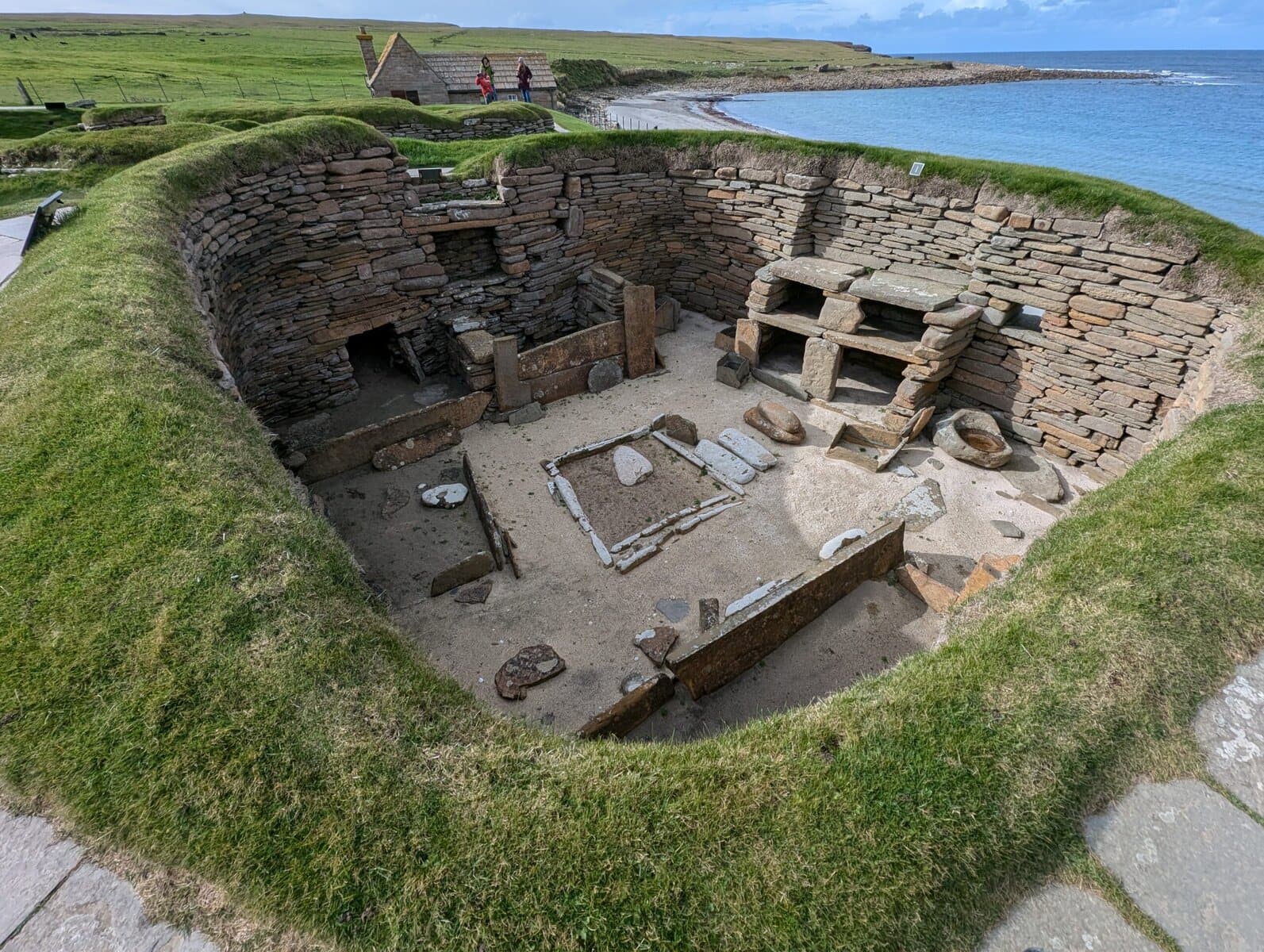
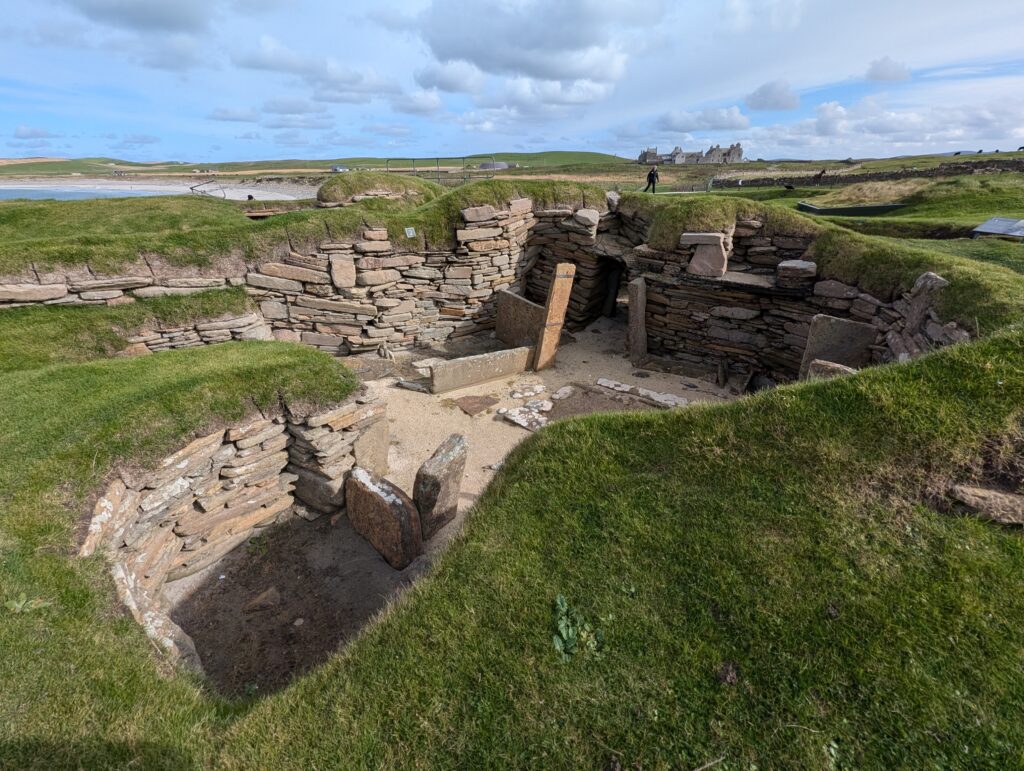
- Skara Brae – a beautifully preserved Neolithic village, older than the pyramids.
- Visit a chambered cairn – these are ancient stone burial structures with passageways and chambers built over 5,000 years ago.
- Standing Stones of Stenness – one of Orkney’s oldest stone circles, a dramatic Neolithic monument dating back over 5,000 years.
- Ring of Brodgar – a huge stone circle surrounded by sweeping views.
- Visit the Italian Chapel – Built by Italian prisoners of war during WWII. It’s tiny but incredible.
- Enjoy the Scenery Between Stops – Orkney is one of those places where the journey is just as beautiful as the destinations. Rolling farmland, sea views, and wide‑open skies make even the shortest drives feel special.
- Broch of Gurness – an Iron Age settlement, centred around a beautifully preserved stone tower overlooking the Eynhallow Sound.
These are some of the most important prehistoric sites in Europe, and they’re all within a short drive of each other. Other places you could visit that we didn’t get to on our day trip are as follows:
- Hoxa Head Coastal Battery – Explore this dramatic clifftop WWII lookout, where rusted defences and sweeping sea views tell the story of Orkney’s wartime past.
- Bishop’s and Earl’s Palaces, Kirkwall – These neighbouring Renaissance‑era ruins in Kirkwall showcase impressive architecture and the remains of two once‑grand residences.
- Click Mill – A rare horizontal watermill dating back to the 19th century, preserved as one of the last of its kind in Scotland.
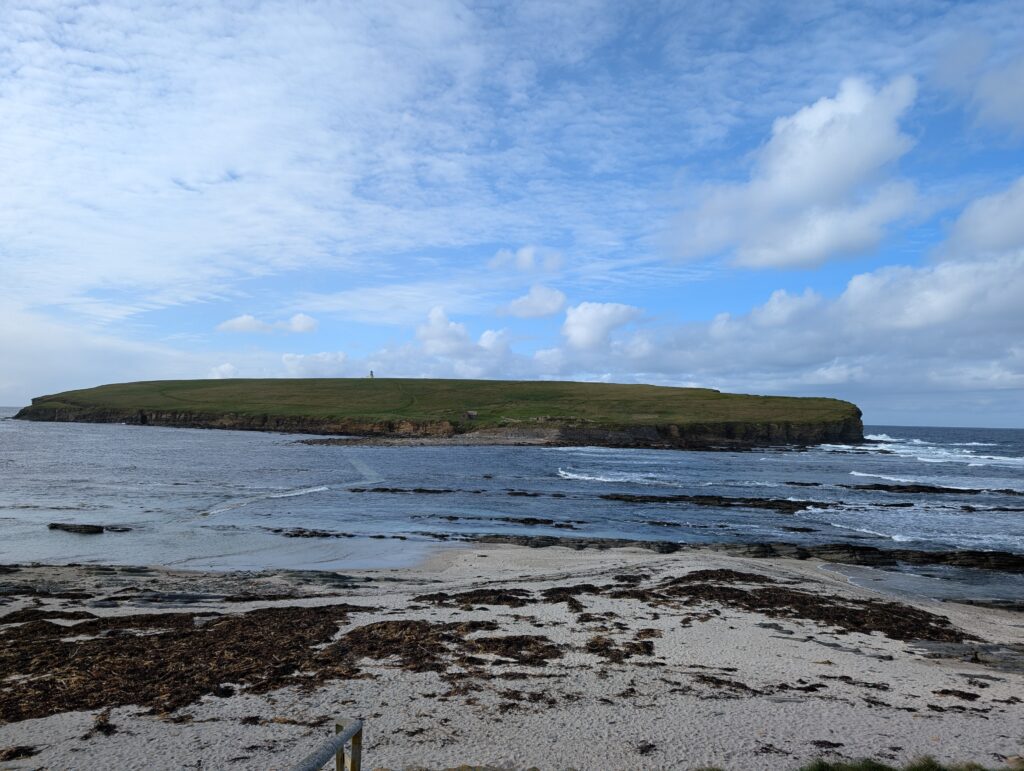
- Brough of Birsay – A tidal island with the remains of a Pictish and Norse settlement, accessible on foot at low tide.
A perfect day in Orkney – visiting with your own car
If you are visiting with your own car, your ferry will either arrive at St Margaret’s Hope or Stromness. These two places are a 44-minute drive from each other. If you plan to arrive at Stromness, you can adjust what we did below to suit. Starting your day in Stromness puts you just minutes from the Standing Stones, making it an ideal first stop.
Our day started by catching the 9:30 a.m. ferry departure from Gills Bay on mainland Scotland. Boarding of the ferry was quick and easy; the boats are a lot smaller than ferries to France. The latest check-in was 30 minutes before departure, and we arrived 45 minutes beforehand, which was perfect timing-wise. I paid £180 for our multi-van, 2 adults and 1 child. Most organised day trips cost from £120 per person, so it is definitely cheaper this way if there are more than 2 of you. I’ll include information below on what attractions you have to pay for. We were booked on the 5 pm boat back, which was perfect for us, and we got everything done that we wanted to do.
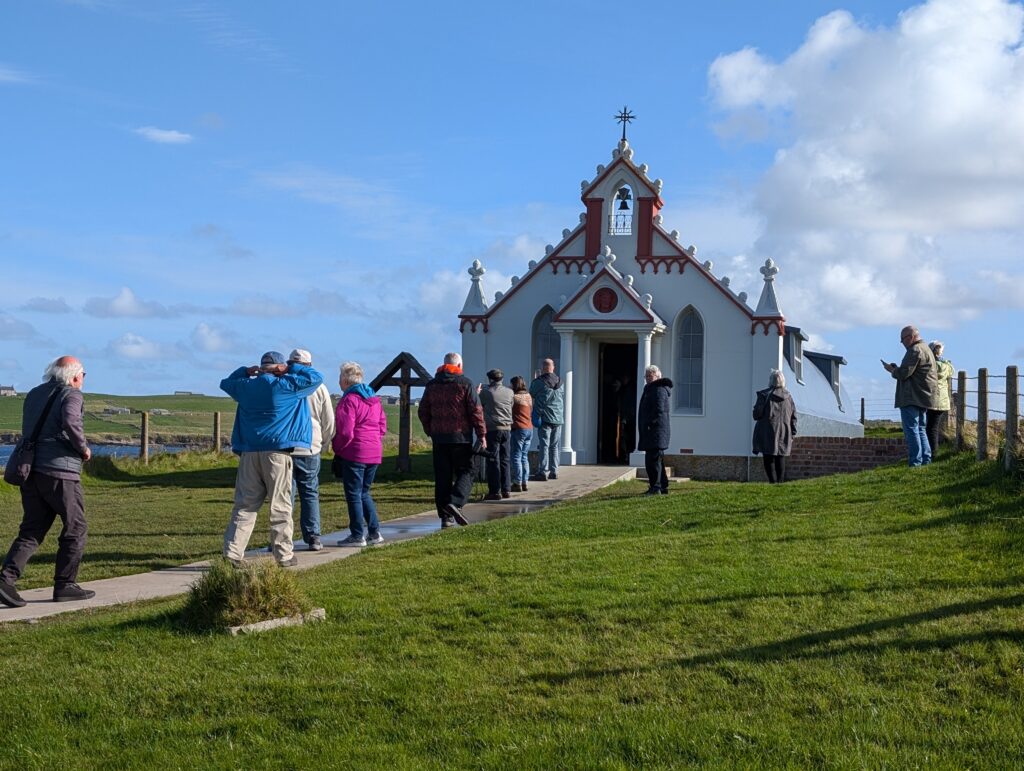
Italian Chapel
We arrived at St Margaret’s Hope in Orkney at 10:45 a.m. Disembarkment was super quick, and we were soon on our way. Because there was a coach trip on our ferry, we should have tried to get ahead of them. Instead, we stopped at the ‘Viking’ totem pole for a photo and regretted it, as when we got to our next stop, the Italian chapel, it was really busy. It costs £4 for those aged 13 and over. We decided not to pay for this and just stepped out to read a sign and take a photo before moving on to get ahead.
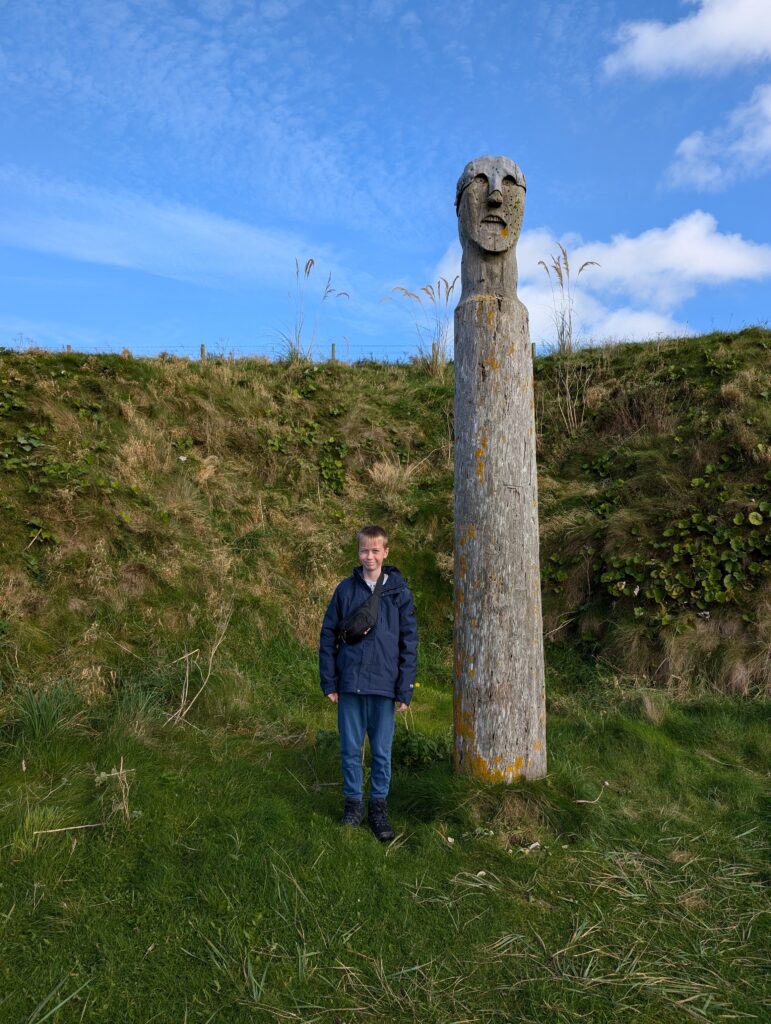
Chambered Cairn
We then drove for around 30 minutes to the Unstan Chambered Cairn. This is a well‑preserved Neolithic burial site featuring a distinctive design, with upright stone partitions that divide the long central chamber. Dating back over 5,000 years, it offers a glimpse into early island life and the practices after death of the communities that once lived here. My son found this fascinating. You can park and visit for free.
A more popular choice if you want to visit a chambered cairn is Maeshowe. This is a large Neolithic chambered cairn with a long entrance passage that aligns with the winter solstice sunset. Access is by guided tour only, and visits must be pre‑booked due to limited capacity. We didn’t want to be tied down to a time to visit, so we visited Unstan instead. Plus it’s £10 an adult! They are around a 5-minute drive apart.
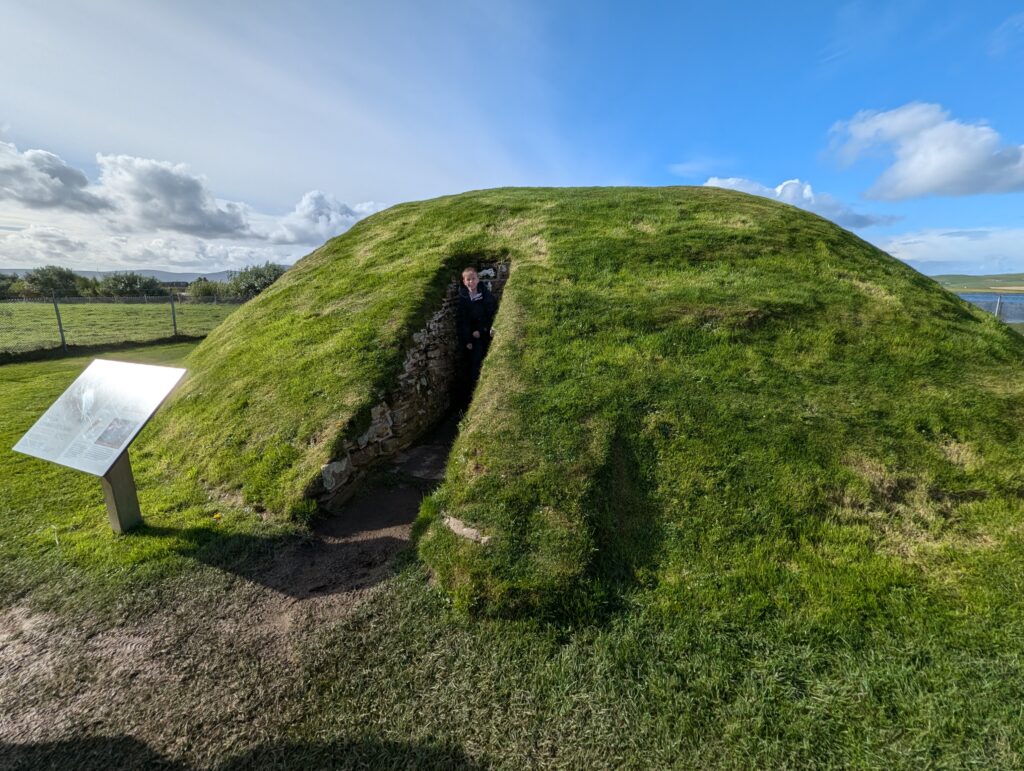
Standing stones of Stenness
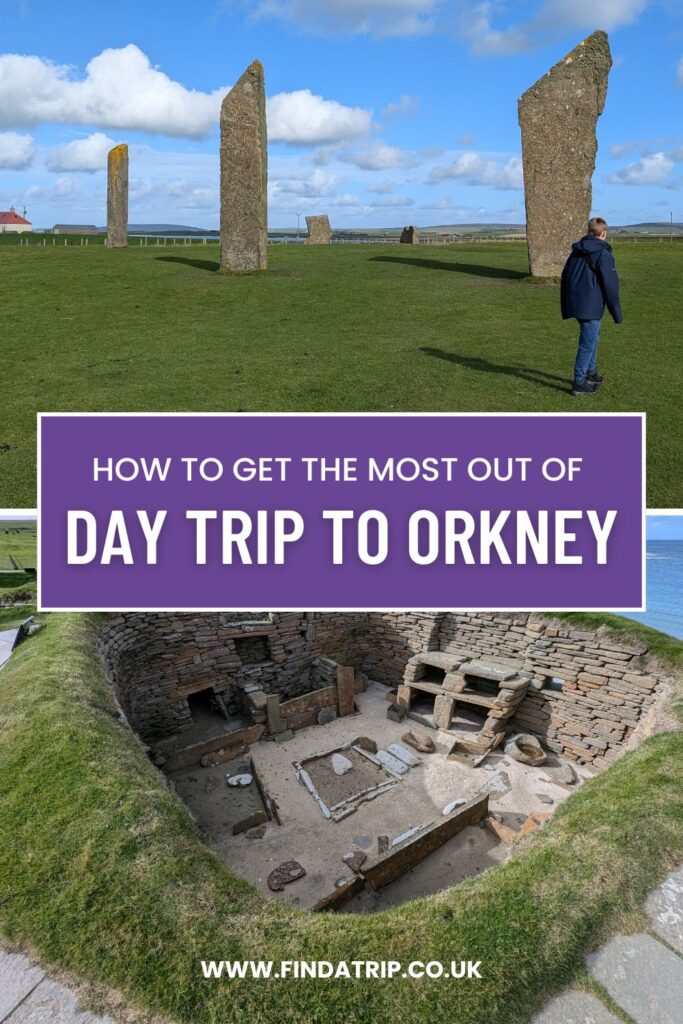
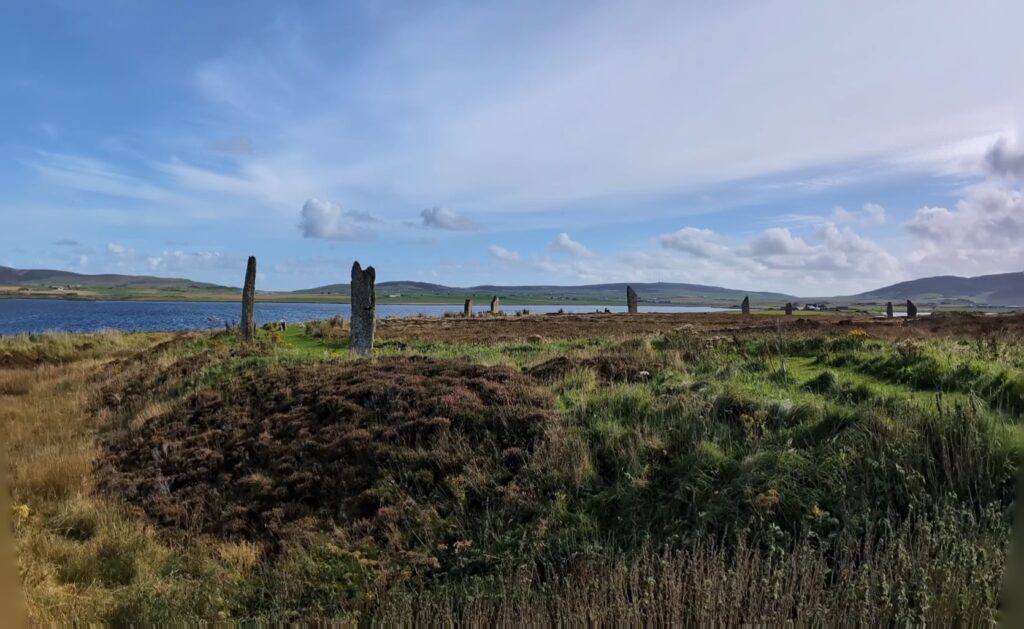
A short drive from the cairns is the Standing Stones of Stenness. These are one of the oldest stone circles in Britain, dating to around 3000 BC and originally consisting of twelve tall, slender stones. The site is open year‑round, free to visit, and has a small parking area directly beside it. Access is straightforward, with a short, level walk from the parking area to the stones, and no booking is required.
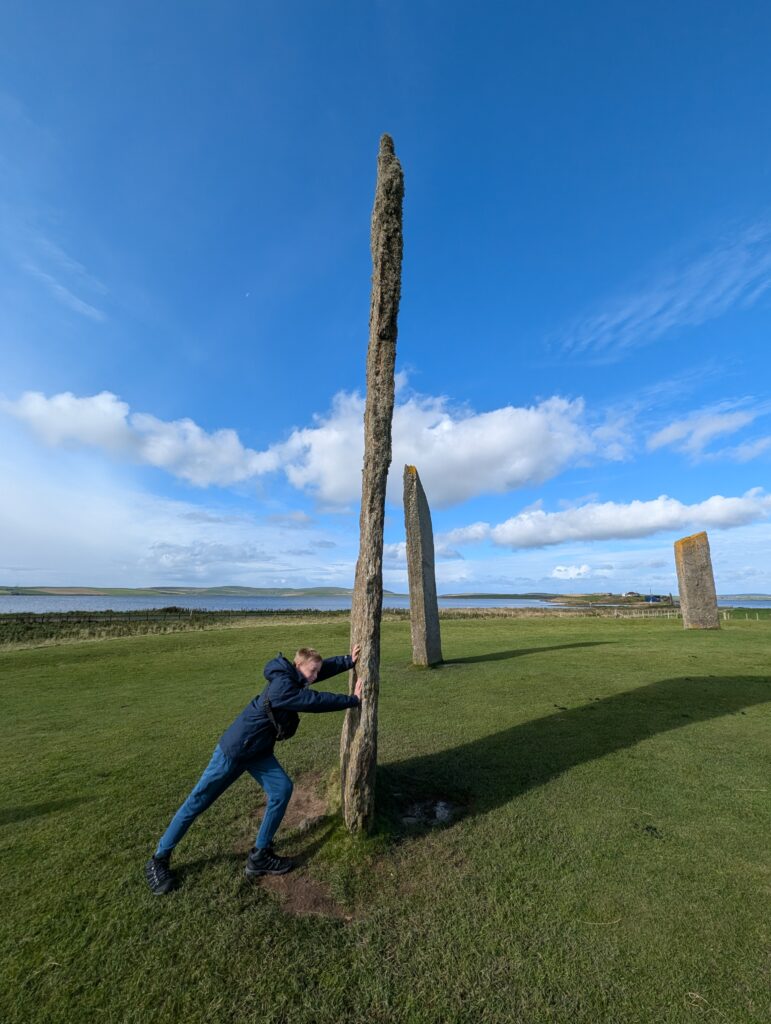
Ring of Brodgar
A super short 2-minute drive away is the Ring of Brodgar. This is a large Neolithic stone circle dating to around 2500–2000 BC, originally consisting of up to sixty stones set within a circular ditch. The site is free to visit, with parking available at a small lay‑by beside the road and a short, level walk leading to the monument. Access is open at all times, and no booking is required. You can walk near the circle and take photos, or walk all the way around the outside. We could get right up to the stones of Stenness, but Brodgar has to be viewed from a distance, so it’s hard to see all the stones as a ring. The view from the road was more impressive!
Skara Brae
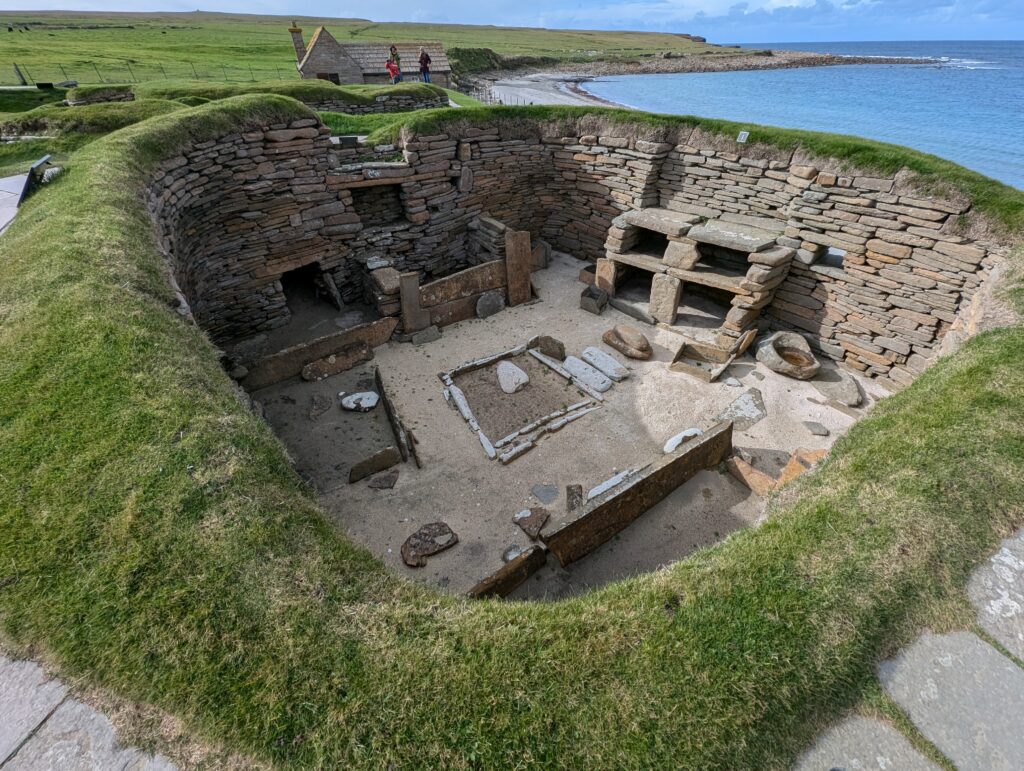
Skara Brae is often considered the main highlight of a visit to the islands, offering a remarkably well‑preserved Neolithic village exposed by a storm in the 19th century. The site includes a visitor centre, museum displays and a café, and access is via a short walk from the main building. When we visited, we brought a picnic and ate overlooking the bay, which is beautiful. This place blew our minds, it’s crazy to think how old it is, especially as it’s around 200 years older than Stonehenge! An admission fee applies during staffed opening hours. English Heritage members in their second year can visit for free (first year half-price), as well as Historic Scotland members.
Brough of Birsay and Earl’s Palace Birsay
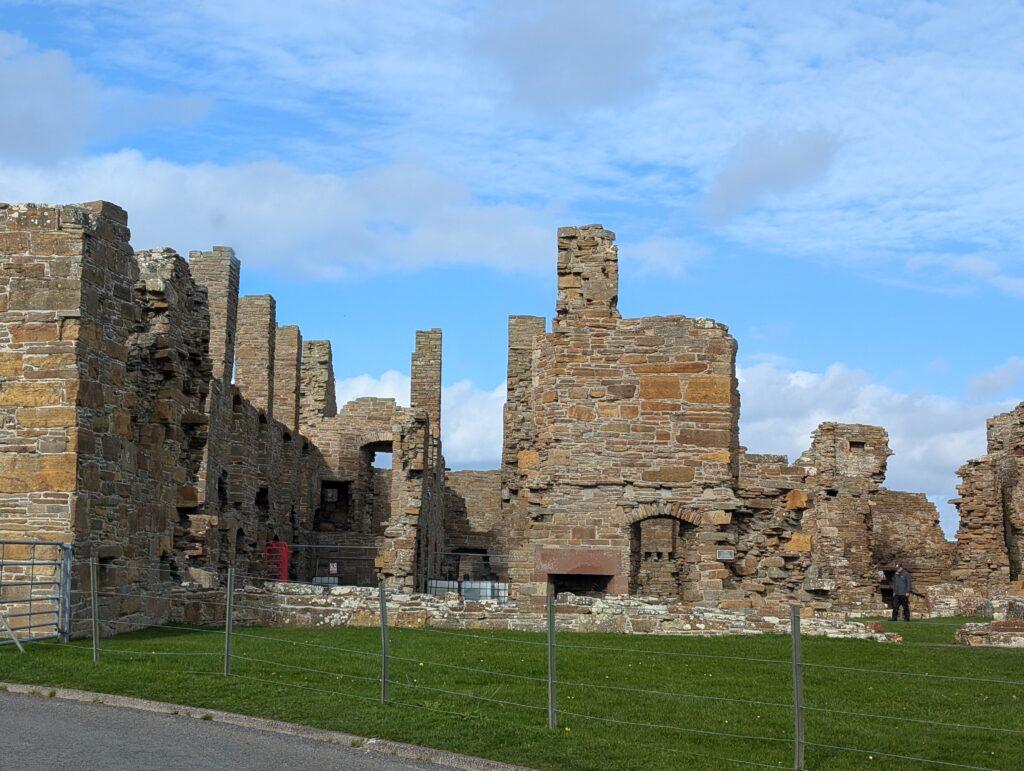
To visit the Brough of Birsay, you need to be aware of tide times. If the tides are against you, you won’t be able to walk to this island. Sadly, we were there at the wrong time, but we went to take a look from the car park. On the island, there are remains of a Pictish and Norse settlement. On the mainland side, the nearby Earl’s Palace survives as a small cluster of 16th‑century ruins linked to Robert Stewart, Earl of Orkney. Both sites are free to visit.
Broch of Gurness
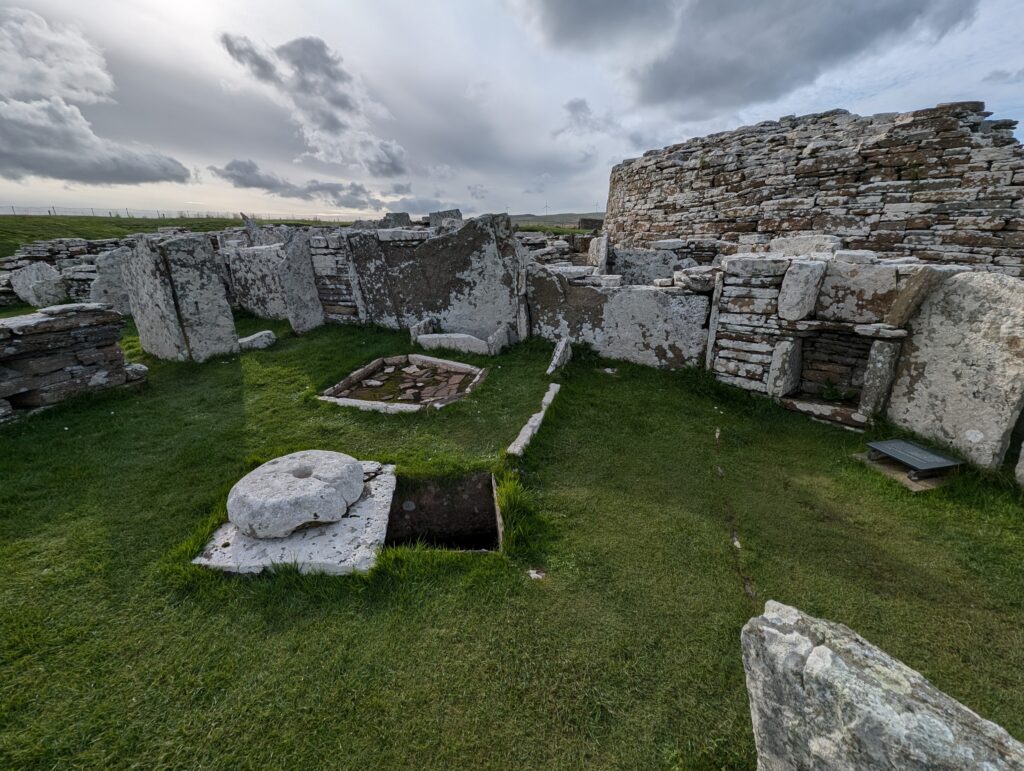
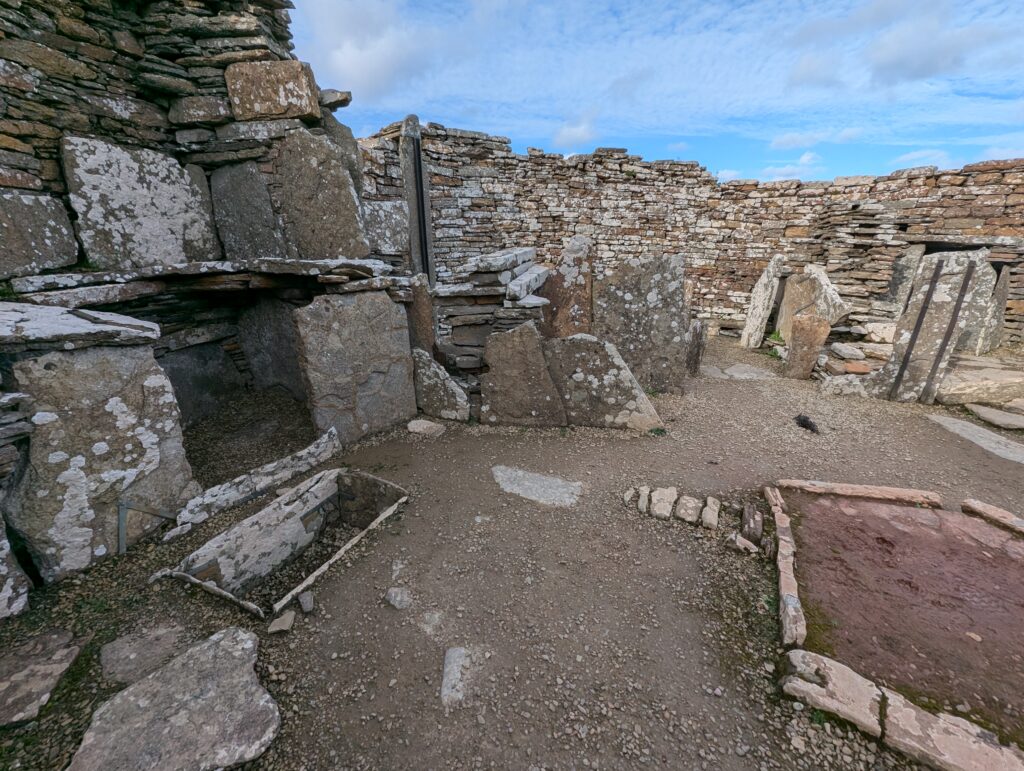
The Broch of Gurness is an Iron Age settlement centred around a well‑preserved circular stone tower, with surrounding houses, workshops and defensive structures. The site sits close to the shoreline and offers a good sense of how a coastal community was organised around its broch. There is a small car park beside the entrance, and access is via a short walk to the ruins. An admission fee applies during staffed opening hours. English Heritage members in their second year can visit for free (first year half-price), as well as Historic Scotland members.
Organised tours to Orkney
Organised tours to Orkney run from both the Scottish mainland and within the islands themselves, offering structured itineraries that cover major archaeological sites, coastal viewpoints and smaller historic locations that can be harder to reach independently. Options range from day trips to multi‑day tours, with transport, guides and entry arrangements handled in advance. These tours are useful for visitors who prefer not to drive or who want additional context from a guide while exploring the islands’ main sites.
Is a Day Trip Enough?
Surprisingly, yes. We managed to see a lot without feeling rushed, and the ferries make it incredibly easy. Of course, you could spend a week here and still not see everything, but if you’re already in the far north of Scotland, a day trip is absolutely worth it.