The Most Beautiful Cathedrals in the UK You Can Visit

The UK has no shortage of beautiful cathedrals, each with its own character, history and quiet corners to explore. Some are grand and world‑famous, others are smaller or tucked away, but all offer something interesting; whether it’s the architecture, the atmosphere, or simply the chance to step inside and slow down for a moment.
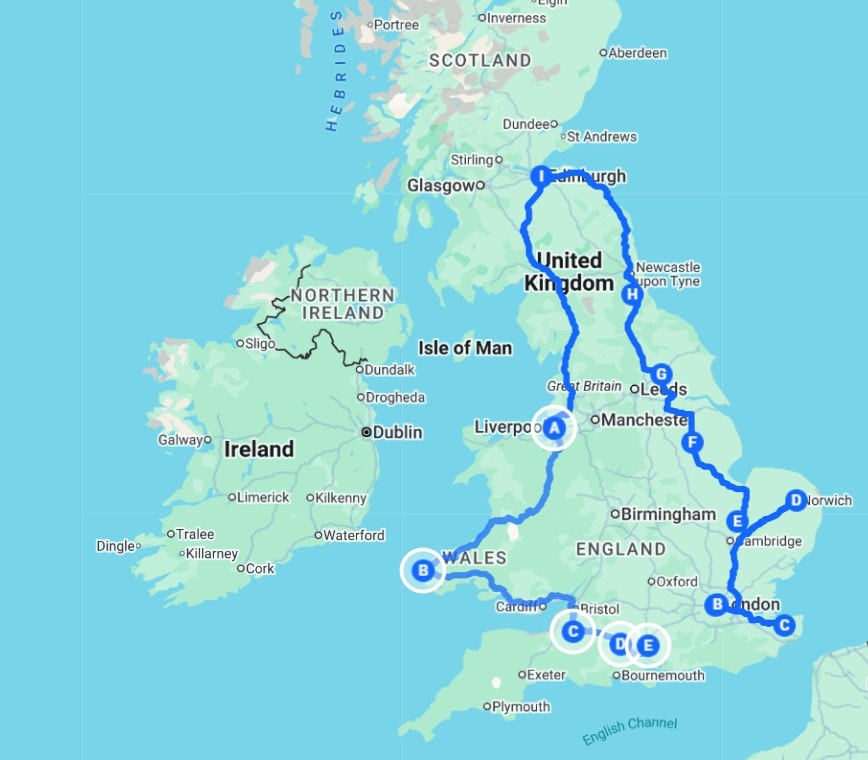
Many of these buildings have stood for centuries. You don’t need to be an architecture expert or religious to appreciate them; they’re just lovely places to wander, look up, and take in the details. If you’re planning a trip or simply enjoy discovering interesting places around the UK, these cathedrals are well worth a visit. We’ve visited pretty much every cathedral on this list. I’ve provided a map to show you where they all are in case you want to plan a road trip, of sorts. Or you can see where each cathedral is located to plan around your next UK-based adventure.
A Quick Note
This article contains affiliate links. I may earn a small commission if you book through them, at no extra cost to you. Just so you know: I share the best travel finds I come across, but I’m not a travel agent, so I can’t offer custom quotes or change dates or airports.
Prices and availability can shift, so please double‑check everything with the travel provider before booking. Any booking you make is directly with them.
Canterbury Cathedral – Kent
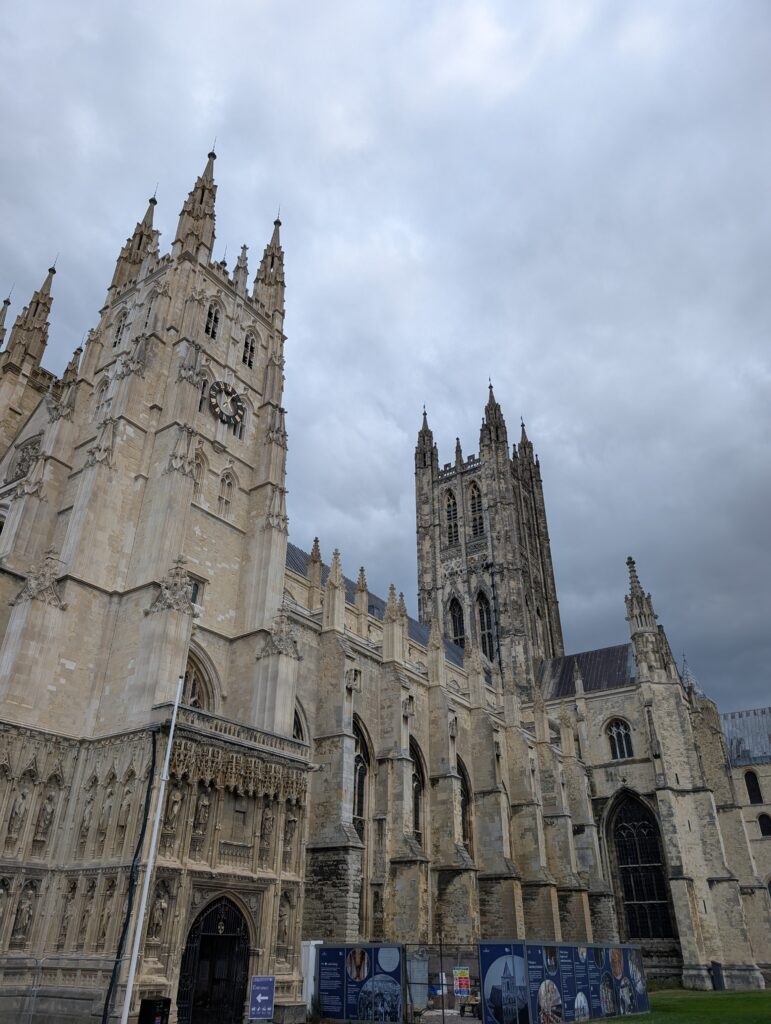
Set right in the centre of Canterbury, this cathedral brings together centuries of architectural styles, from early medieval sections to later Gothic additions. Walking around the outside, you notice the tall towers, detailed stonework and the way the building sits slightly apart from the busy streets around it. Inside, the space opens into long aisles, small chapels and a large crypt that feels cool and atmospheric.
Durham Cathedral – County Durham
Durham’s position above the River Wear gives it a striking outline, especially when you see it from the bridges or river paths below. A series of large Norman pillars and rounded arches shape the nave as you move through it. The cloistered courtyard is a quiet space to pause, and the building’s layout feels simple to navigate despite its size. When the tower is open, the climb offers a clear view over the city and the river looping around the peninsula, which really shows how the cathedral dominates its surroundings.
Entry to Durham Cathedral is free, though a voluntary donation of £5 is encouraged to support conservation. While entry is free, tickets are required for the Durham Cathedral Museum and for guided tours, which can be booked on their website.
Ely Cathedral – Cambridgeshire
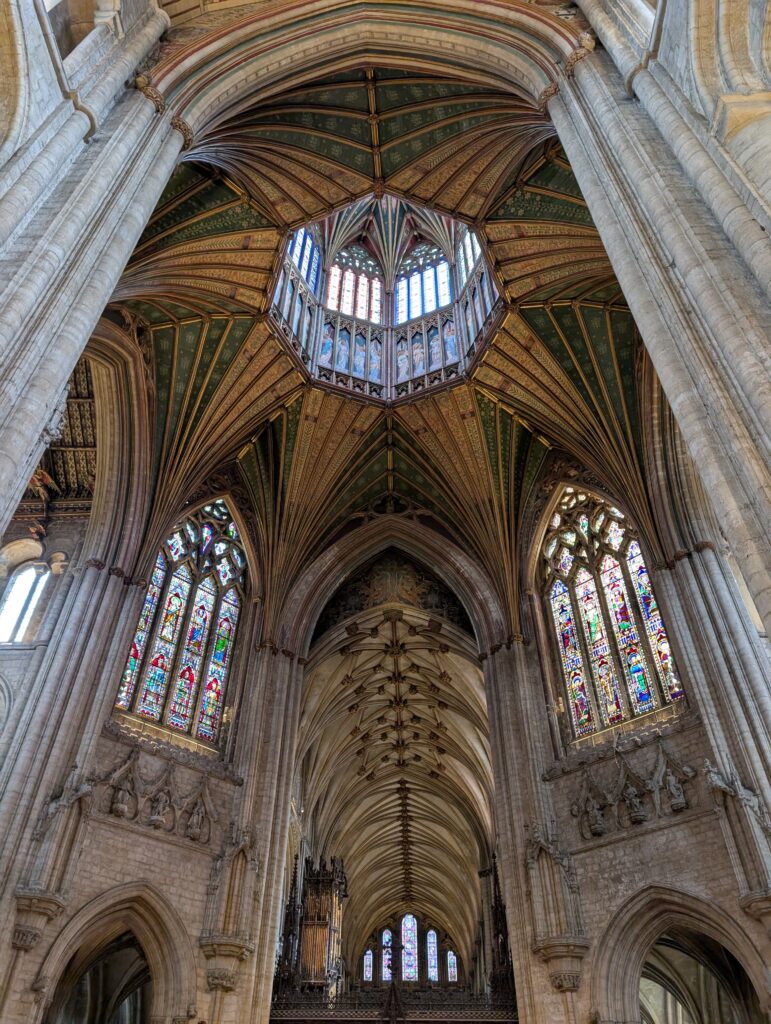
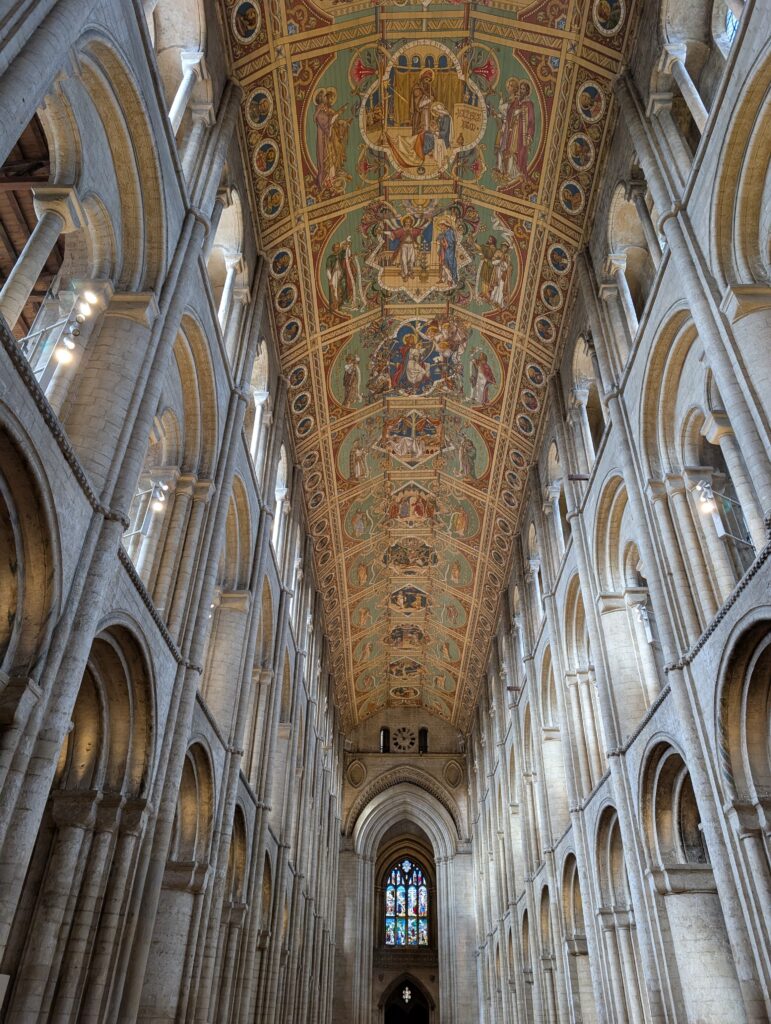
Rising out of the flat Fen landscape, Ely Cathedral looks almost unexpected from a distance, which makes its scale even more striking. The octagon lantern is the feature most people notice first, and stepping inside shows how much light it brings into the central space. The nave feels long and bright, with a mix of Norman and later Gothic details. The Lady Chapel is quieter and filled with intricate stone carvings, and the stained glass museum offers a small but interesting extra stop. Tower tours give a good sense of how the building fits into the surrounding landscape. Adults will need to pay an entrance fee.
Lincoln Cathedral – Lincolnshire
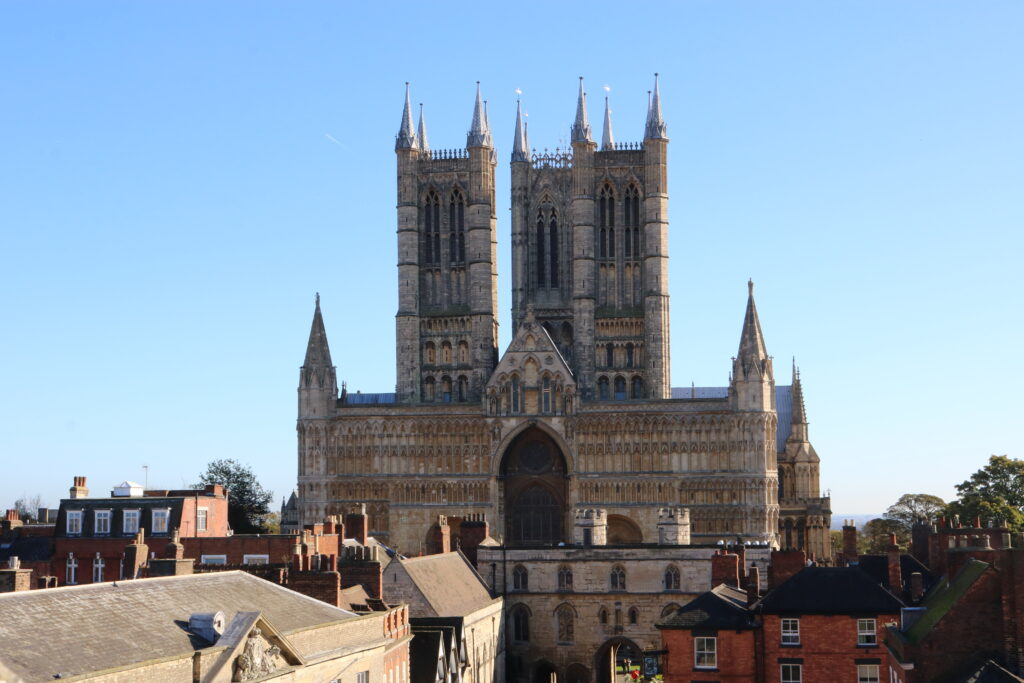
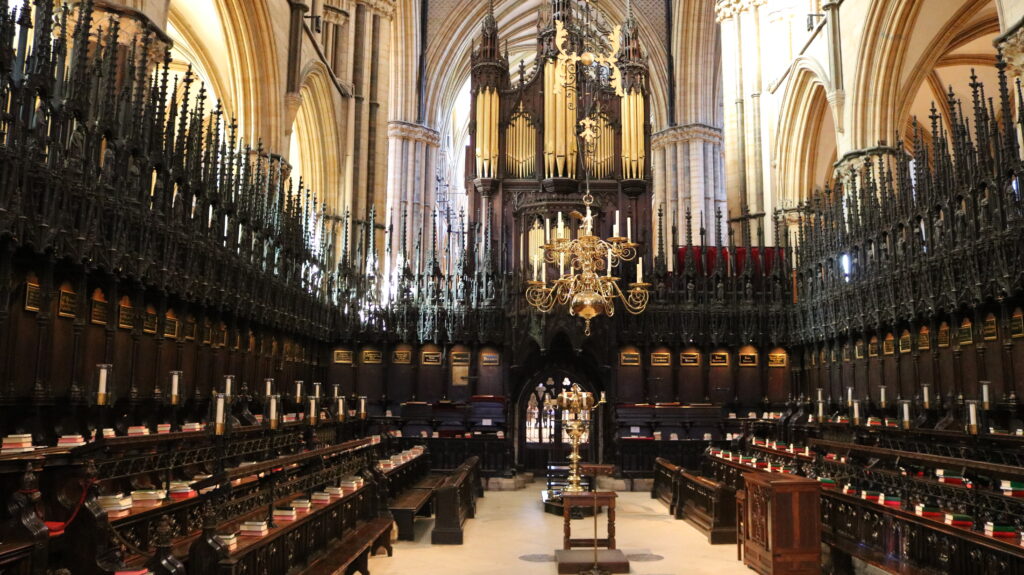
Perched at the top of the city, Lincoln Cathedral dominates the skyline with its three towers and detailed Gothic stonework. Inside, the height of the nave and the pattern of the vaulted ceilings stand out straight away, giving the whole space a light, open feel. The circular Chapter House is often used for exhibitions and has a clear acoustic echo, while the cloisters and surrounding green offer quieter corners to pause. Roof and tower tours, when running, give a good sense of how the cathedral sits above the rest of Lincoln and how far its influence once reached. Adults will need to pay an entrance fee.
Liverpool Cathedral – Merseyside
Built in the 20th century, Liverpool Cathedral has a different character from many of the UK’s older medieval cathedrals. The red sandstone gives it a warm, solid appearance, and its size is immediately noticeable as you walk around the exterior. Inside, the space feels vast and open, with high ceilings, wide aisles and large stained‑glass windows that bring in coloured light. This is the largest cathedral in the UK. Entrance is free, and donations are welcome.
Norwich Cathedral – Norfolk
Norwich Cathedral is easy to spot thanks to its tall, pale stone spire, which rises above the quiet cathedral close surrounding it. The close itself is a peaceful green space, slightly removed from the busier parts of the city. Inside, the long Norman nave has carved capitals and a wooden roof decorated with painted bosses, giving it a steady, rhythmic feel as you walk through. The cloisters are among the largest in England and are simple to wander, with plenty of light and space. Overall, it has a calm, settled atmosphere that makes it easy to explore without rushing. Entrance is free, and donations are welcome.
Salisbury Cathedral – Wiltshire
Salisbury Cathedral is known for its tall, slender spire, which rises above a wide green that gives you plenty of space to take in the building from different angles. The architecture is mostly Early English Gothic, so the lines are clean and the design feels consistent throughout. Inside, the nave is bright and uncluttered, with slim columns and long views from one end to the other. The cloisters are spacious and easy to wander, and the Chapter House holds a well‑preserved copy of Magna Carta, displayed in a simple, quiet setting that suits the document’s age and importance.
St David’s Cathedral – Pembrokeshire
Set in a small valley, St David’s sits lower than the surrounding landscape, so you approach it from above and get a clear view of the whole site before you reach it. The stone has a rugged, weathered look that fits its coastal setting. Inside, the cathedral has a more intimate scale than many larger English cathedrals, with wooden ceilings, carved details and a slightly uneven floor that reflects its long history. The nearby Bishop’s Palace ruins add another interesting place to wander.
St Giles Cathedral – Edinburgh
Right on the Royal Mile, St Giles’ is easy to recognise thanks to its crown‑shaped steeple. Inside, the layout is divided into a series of chapels and smaller spaces rather than one long nave, which gives it a more intimate feel than many larger cathedrals. The Thistle Chapel is the most detailed area, with carved woodwork and intricate stalls that draw the eye. Light filters through a mix of older and more modern stained glass, and the building offers a quiet pause from the busy street outside
St Paul’s Cathedral – London
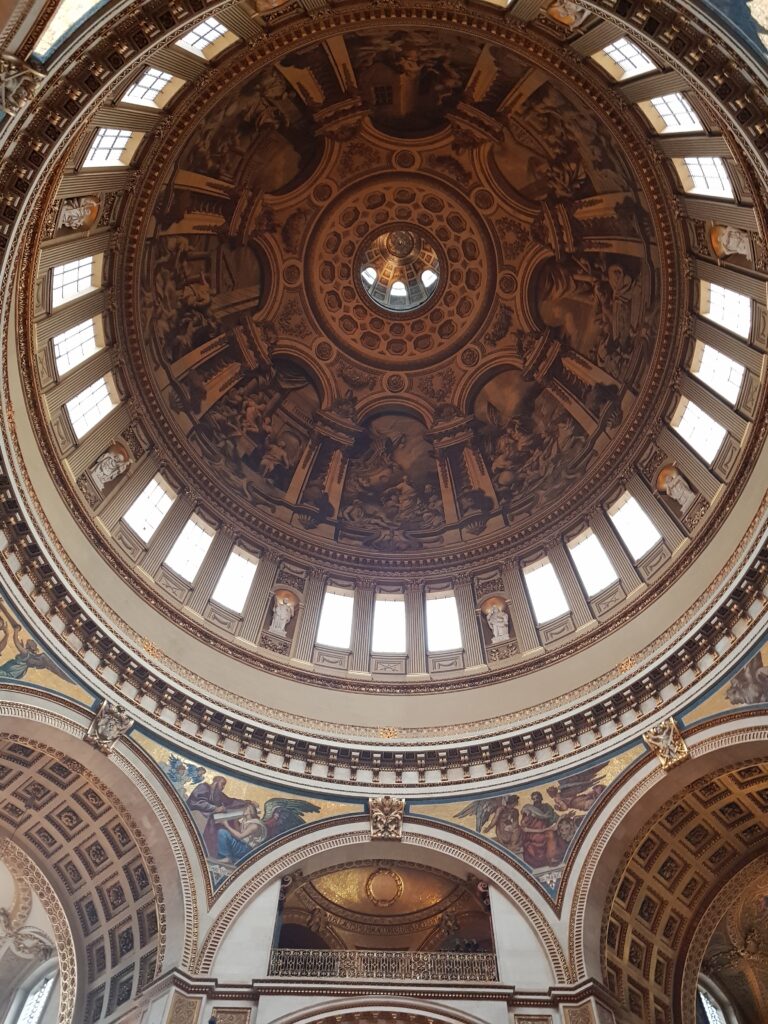
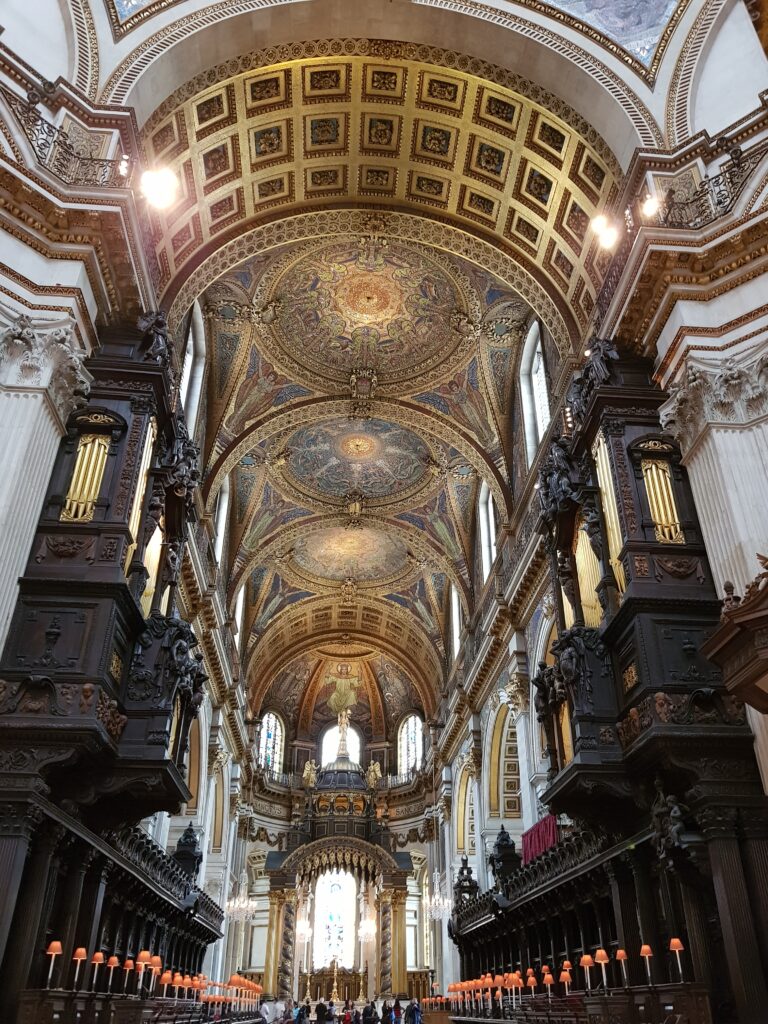
St Paul’s is instantly recognisable thanks to its large dome and classical design, which sets it apart from the UK’s medieval Gothic cathedrals. The exterior has grand steps and a balanced, symmetrical look. Inside, the central space beneath the dome feels wide and structured, with mosaics and arches. Many visitors explore the crypt, where notable figures are buried, and the upper galleries when they’re open. The climb to the top gives excellent views across London, showing how the cathedral sits within the modern city.
Wells Cathedral – Somerset
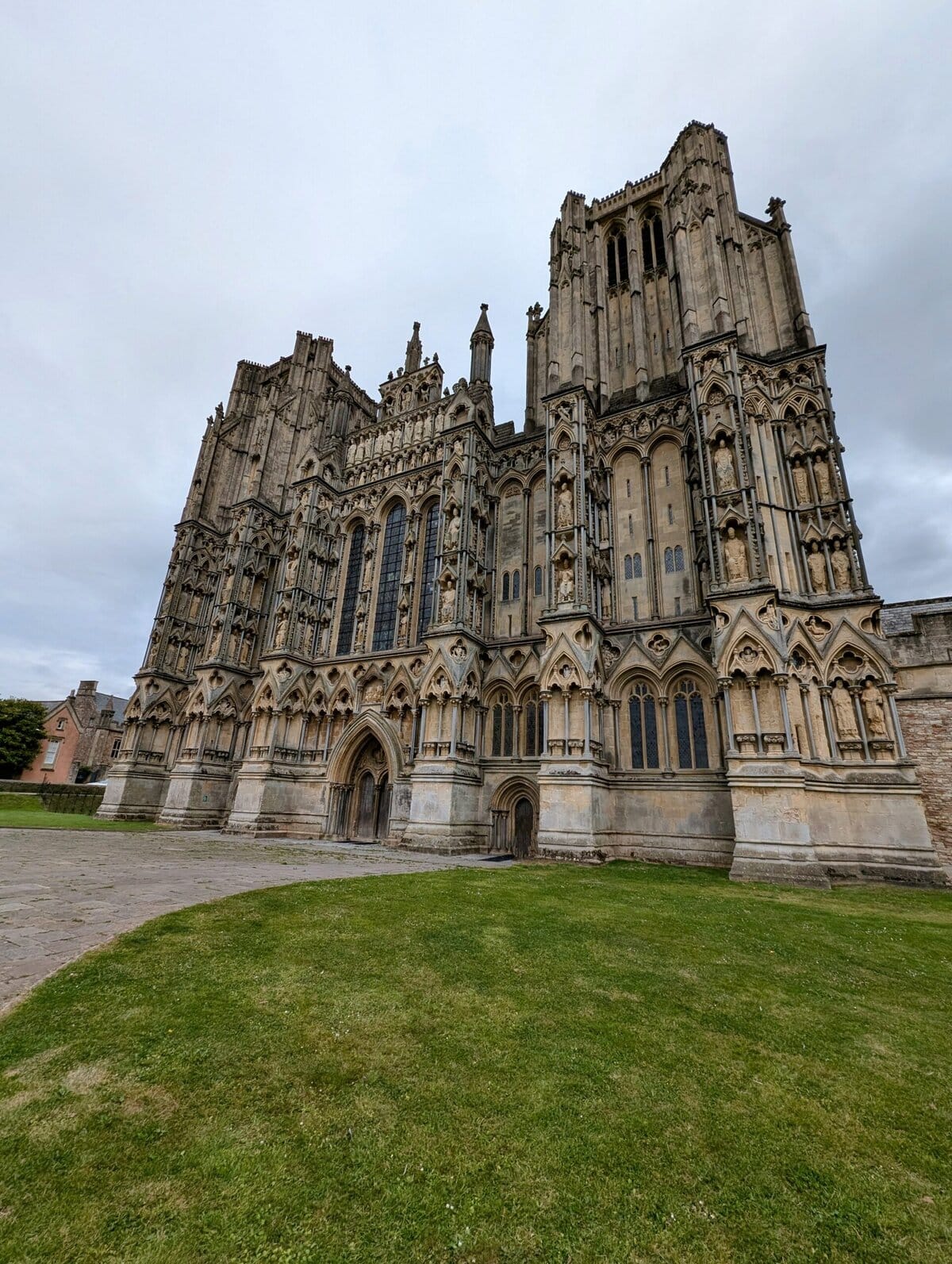
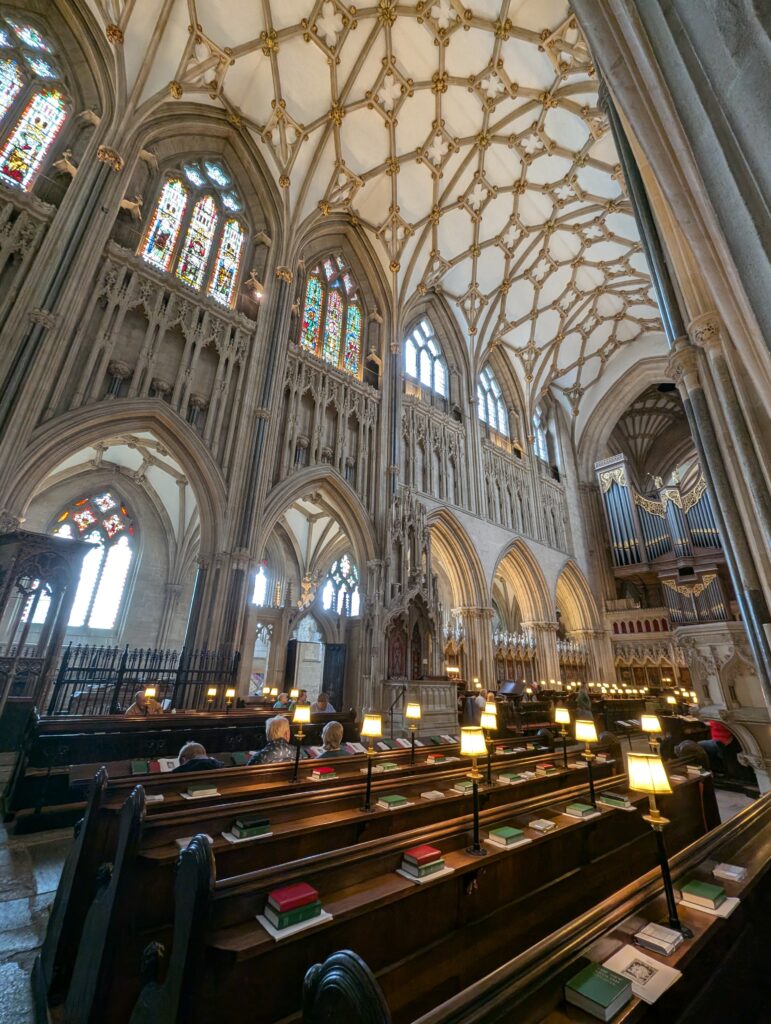
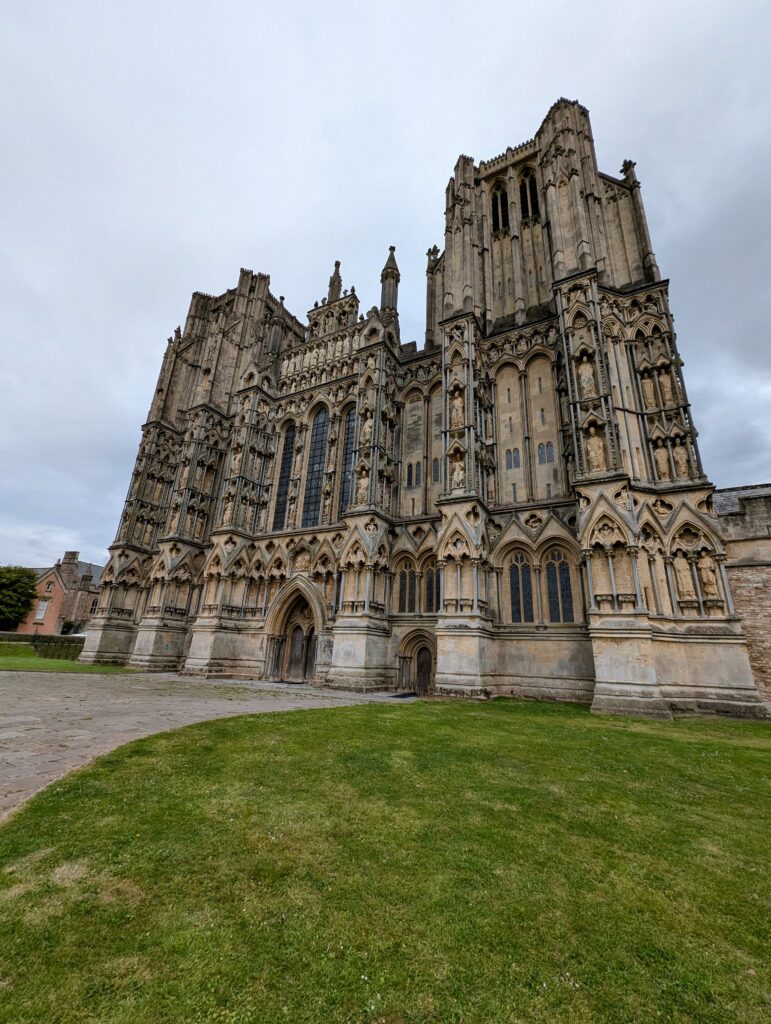
Wells Cathedral has a beautifully detailed west front covered in medieval statues, and the green in front of it gives the whole setting a gentle, open feel. Inside, the unusual scissor arches immediately stand out; they’re distinctive and unlike anything in other UK cathedrals. The Chapter House, reached by a worn stone staircase, has a lovely fan‑vaulted ceiling and a quiet, echoing atmosphere. The cloisters are simple to wander and often very peaceful, and the cathedral as a whole has a smaller, more approachable scale while still offering plenty of interesting details.
Westminster Abbey – London
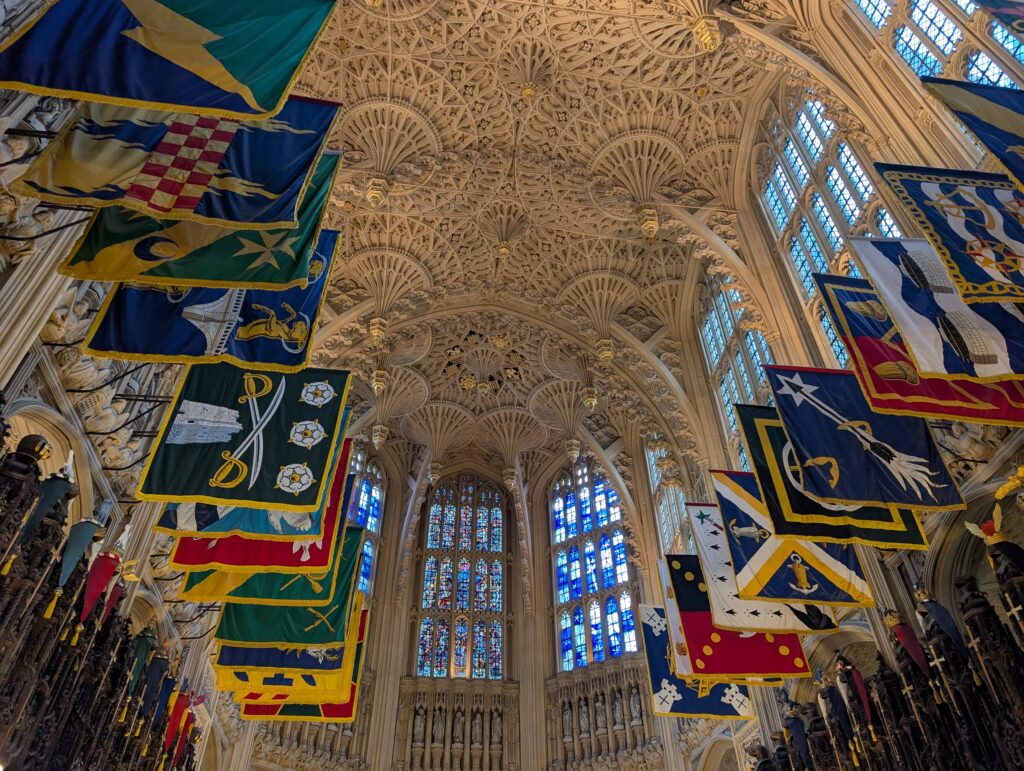
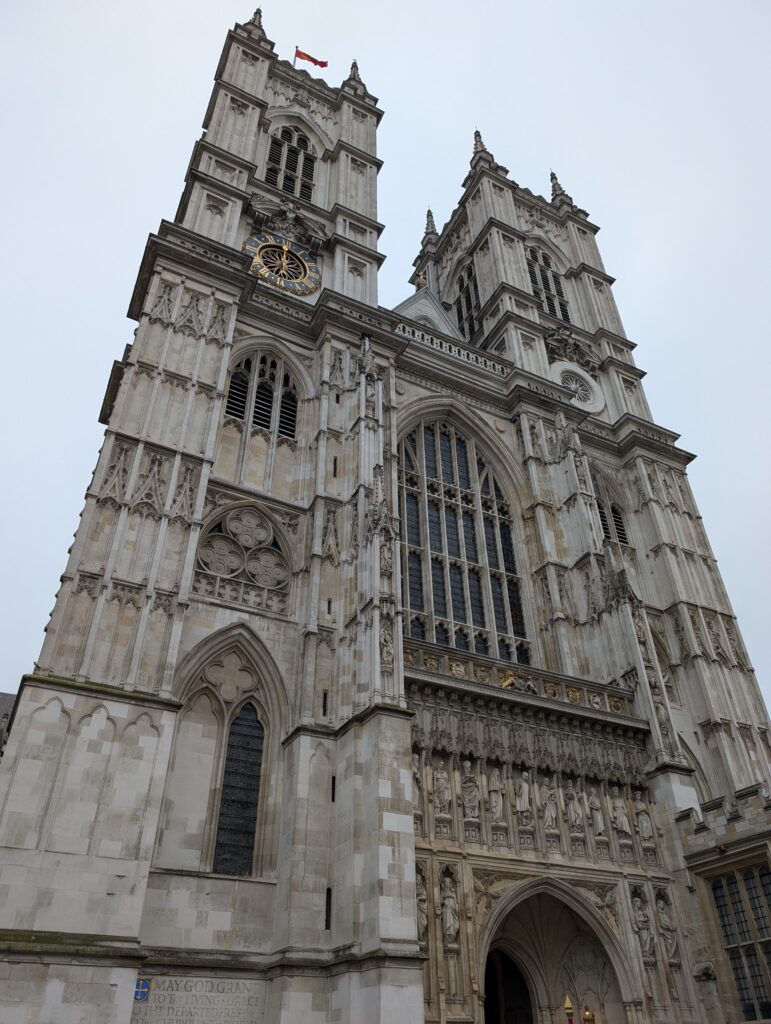
Westminster Abbey is closely tied to national history, known for coronations, royal weddings and the burial places of many notable figures. The exterior is a detailed example of Gothic architecture, with tall windows, carved stone and later additions that reflect different periods. Inside, the layout leads you through a series of chapels, tombs and memorials, each with its own atmosphere. The nave is tall and bright, while older areas such as the cloisters and Chapter House have a quieter, more medieval feel.
Winchester Cathedral – Hampshire
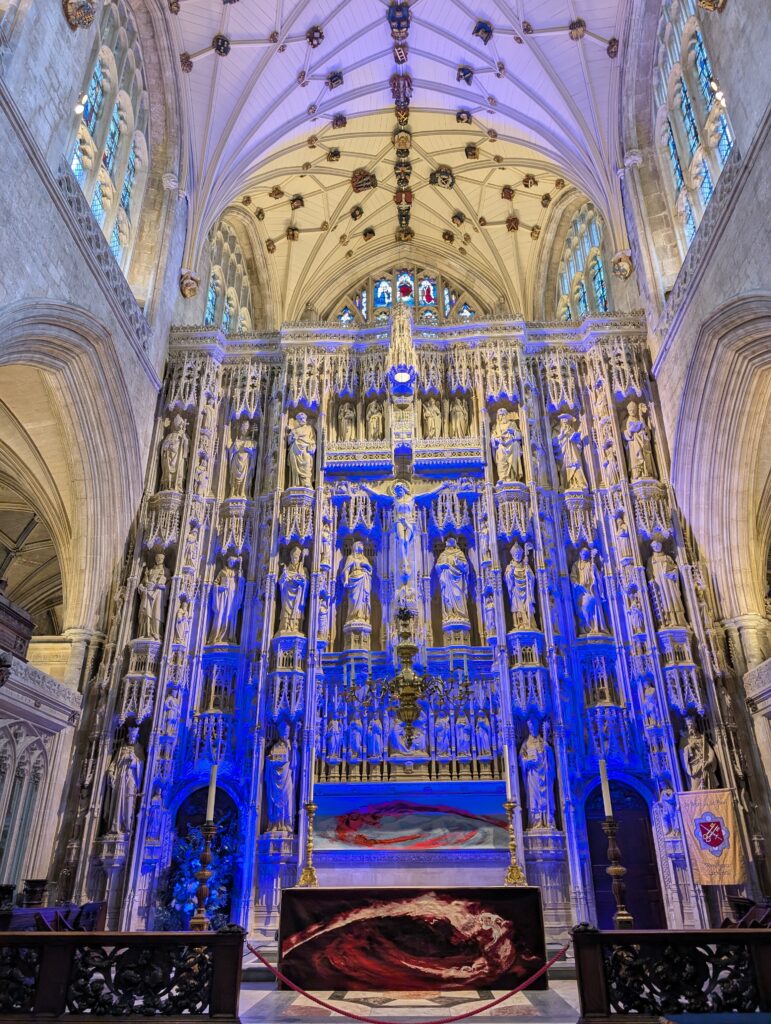
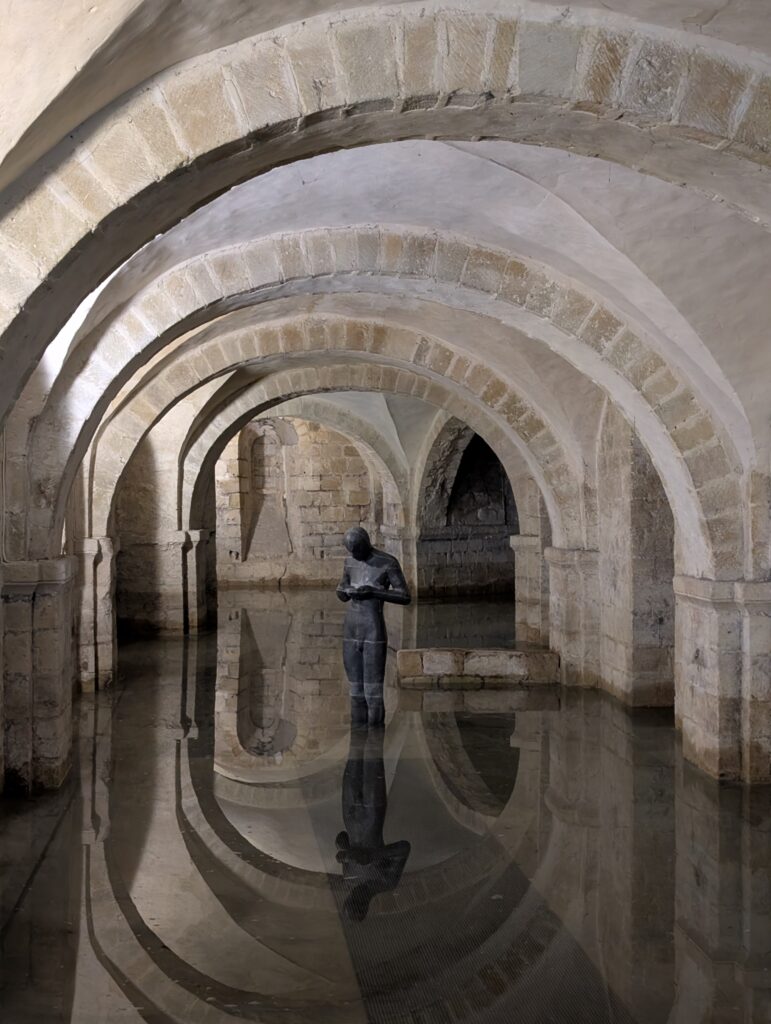
Set across a wide green, Winchester Cathedral has a long, low profile that contrasts with the taller Gothic buildings found elsewhere in England. Once inside, the nave opens into a spacious, light‑filled area supported by tall pillars, with architectural details that reflect the many periods in which the building was altered. The crypt is one of its most distinctive spaces, and it is sometimes partly flooded. The Lady Chapel has traces of colourful medieval wall paintings, and the surrounding grounds and nearby historic streets add to the sense of an old, settled place.
York Minster – North Yorkshire
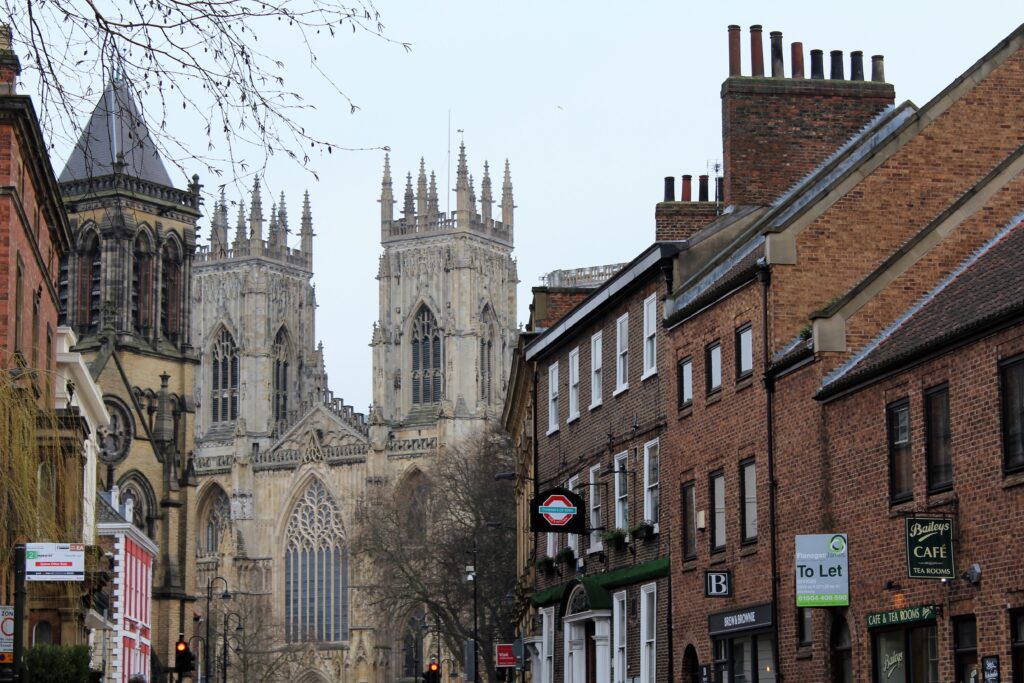
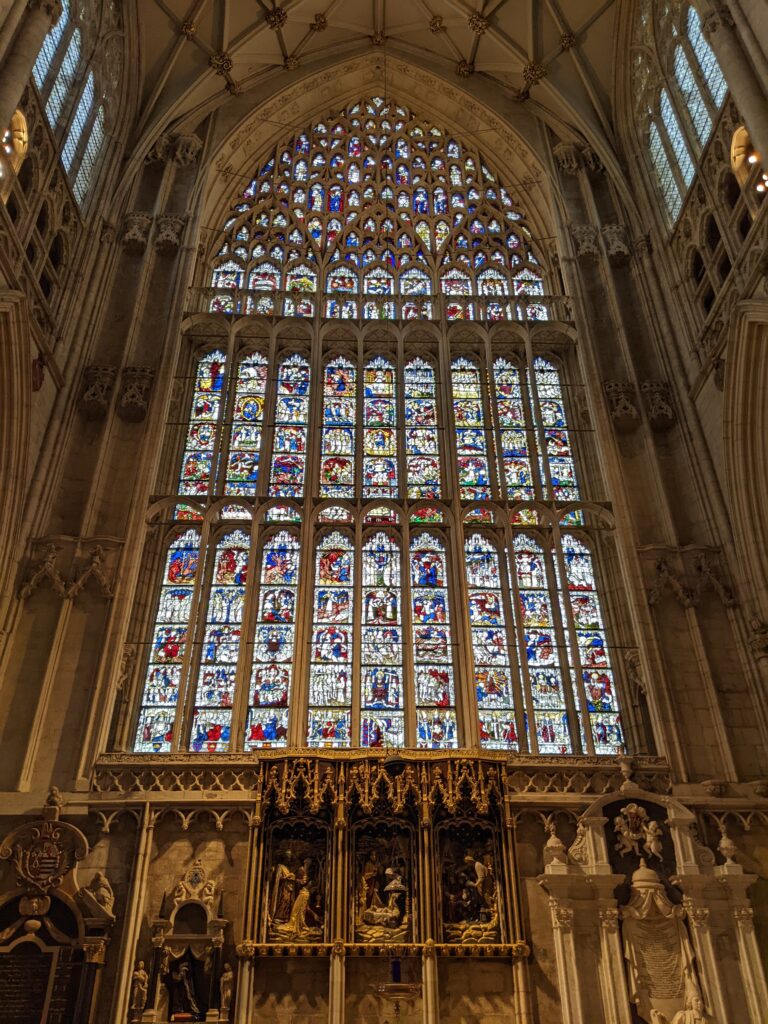
York Minster is one of the largest Gothic cathedrals in Europe, and its scale is immediately clear from the detailed stonework and huge windows on the exterior. Inside, the building feels tall and bright, with intricate carvings, long aisles and the famous Great East Window, which is one of the largest expanses of medieval stained glass in the world. The undercroft museum beneath the Minster explores the site’s Roman and medieval layers, showing how the building developed over time. A climb up the central tower gives wide views over York’s rooftops and winding medieval streets. Planning a trip to York? We have plenty of free things for you to do.
Visiting these cathedrals is a reminder of just how varied the UK’s historic buildings can be, from quiet rural settings to grand city landmarks. Each one offers something different, a particular detail, atmosphere or story that stays with you. Seeing them together gives a real sense of the country’s architectural and cultural depth. Whether you explore them all in one journey or dip into the list over time, they’re places that reward slowing down and looking closely.